UK Betting and Gaming Council Unveils 'Spot The Black Market' Quiz to Spotlight Illegal Gambling Risks
Written by Alex Washington · Mar 11, 2026
UK Betting and Gaming Council Unveils 'Spot The Black Market' Quiz to Spotlight Illegal Gambling Risks
The Launch of a Timely Interactive Tool
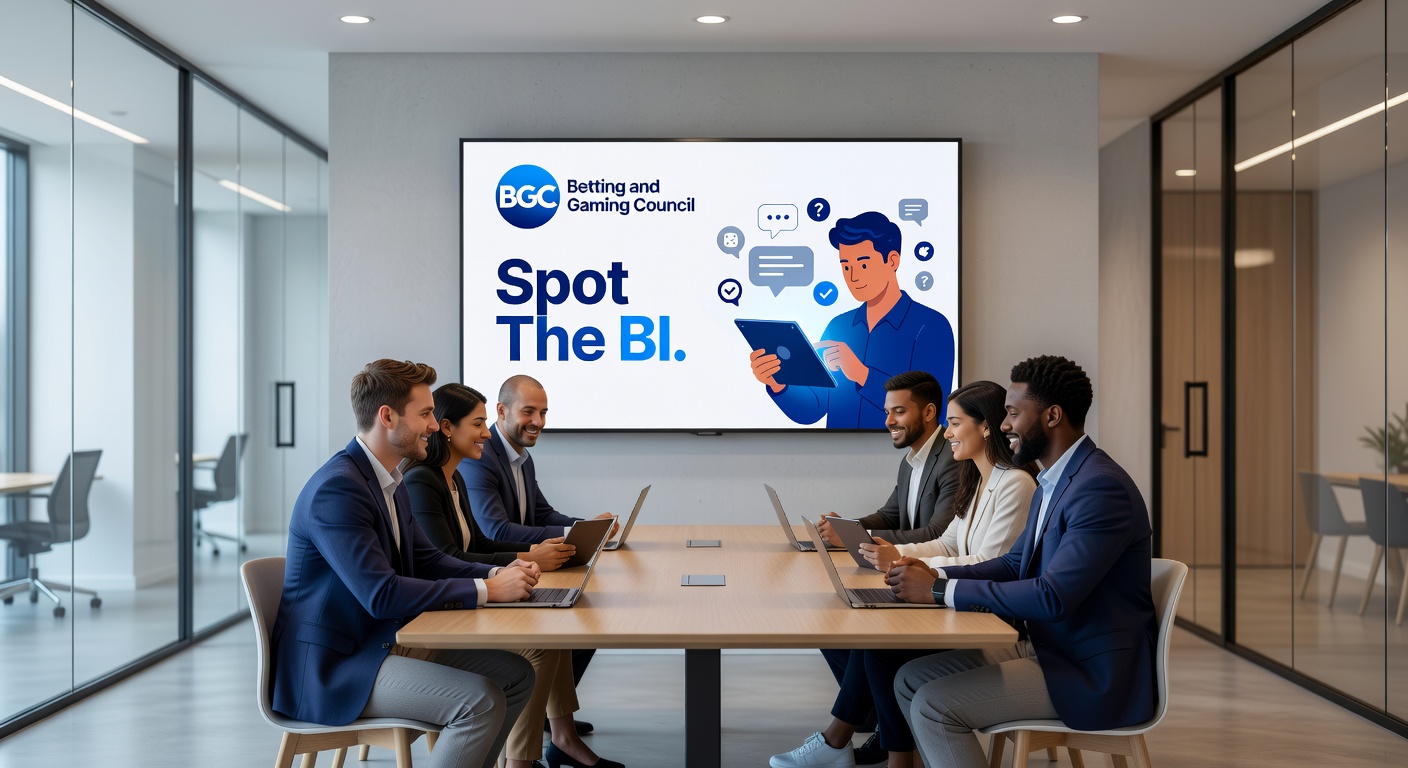
On March 10, 2026, the Betting and Gaming Council (BGC) in the UK rolled out an interactive online quiz named “Spot The Black Market,” designed specifically to equip consumers with the skills to detect unregulated and illegal gambling websites; through a series of mock screenshots, participants learn to identify key warning signs like the absence of a visible UK Gambling Commission licence number, making it easier for everyday players to steer clear of risky platforms.
What's interesting about this initiative is how it directly tackles the sophisticated tactics black market operators employ, mimicking legitimate sites down to the finest details, yet always missing that crucial regulatory stamp; the BGC positions this quiz as a frontline defense in an ongoing battle for consumer safety within the UK's bustling gambling sector, where unregulated operators flout essential player protection rules.
Observers note that such tools arrive at a pivotal moment, as illegal gambling continues to lure players with promises of better odds or unrestricted access, but deliver instead a host of dangers including financial losses without recourse, data breaches, and addiction without safeguards; according to the BGC's announcement, the quiz breaks down these threats in an engaging, hands-on format that anyone can access online.
How the Quiz Works: Spotting the Red Flags
Participants dive into simulated scenarios where they scrutinize fake gambling homepages side-by-side, hunting for telltale signs of illegitimacy; for instance, one mock site might boast flashy promotions and sleek design—hallmarks of licensed operators—while lacking the mandatory UK Gambling Commission licence number at the footer, a detail the quiz highlights as non-negotiable.
And here's where it gets practical: the tool walks users through other common pitfalls, such as missing age verification prompts, unlicensed payment methods, or promises of bonuses that legitimate sites can't offer due to strict regulations; by the end, people who've taken the quiz report feeling more confident in their ability to distinguish safe bets from shady operations, turning passive consumers into vigilant ones.
Take one example from the quiz's structure—users compare a regulated site's footer, complete with the UKGC logo and licence details, against a black market clone stripped of those elements; this side-by-side approach, BGC explains, mirrors real-world encounters players face when browsing for sportsbooks or casinos, especially during high-stakes events like football matches or horse races.
But the quiz doesn't stop at visuals; it layers in explanations about why these absences matter, noting that unlicensed sites skip mandatory measures like deposit limits, self-exclusion tools, and responsible gambling messaging, leaving players exposed; data from BGC initiatives underscores how such education empowers users, with past campaigns showing measurable upticks in reported illegal sites after awareness efforts.
Broader Context: The Black Market's Shadow Over UK Gambling
While the quiz zeroes in on identification, it emerges against a backdrop of escalating concerns, including a BGC-commissioned report revealing that £5.7 billion gets staked annually on UK black market gambling—a figure that highlights the scale of the problem and the urgency behind tools like “Spot The Black Market”; this report, drawing from extensive market analysis, paints a picture of operators evading taxes, flouting age checks, and offering addictive mechanics without brakes.
Experts who've tracked the sector point out that black market sites thrive by undercutting licensed platforms on odds or limits, drawing in risk-takers who might otherwise stick to regulated options; yet, the reality hits hard when winnings vanish unpaid, or personal details fuel identity theft, issues the quiz aims to preempt through straightforward education.
Now, consider how this fits into March 2026's gambling landscape—regulators ramp up enforcement amid rising online activity, with the UK Gambling Commission pursuing closures and fines, but prevention remains key since black market adaptability outpaces crackdowns; the BGC's quiz, accessible via their site, serves as a proactive counter, encouraging shares on social media to amplify reach.
People familiar with similar efforts recall how Australia's gambling watchdogs used quizzes to cut illegal site traffic by 20% in targeted campaigns; while UK results remain forthcoming, early feedback suggests players appreciate the no-nonsense approach, especially younger demographics navigating apps and mobile betting.
Player Protections: What Regulated Sites Offer That Black Market Can't
Regulated platforms, by contrast, embed safeguards at every turn—think mandatory reality checks after sessions, seamless links to GamCare for support, and transparent terms backed by the UK Gambling Commission; the quiz reinforces this by contrasting those features against black market voids, where aggressive marketing preys on vulnerabilities without ethical bounds.
So, users learn not just to spot fakes, but why sticking to licensed operators pays off long-term; studies from gambling research bodies indicate that regulated environments reduce harm incidents by up to 40%, a stat the BGC leverages to underscore the quiz's value.
There's this case where a player, after brushing up via a similar tool, flagged a suspicious site to authorities, leading to its takedown—stories like that fuel the BGC's push, showing education translates to action; and with black market ops often linked to organized crime, every spotted fake chips away at their foundation.
Industry Response and Future Implications
The BGC, representing major operators like Bet365 and William Hill, frames the quiz as a collective industry stand against undercutting threats; spokespeople emphasize collaboration with regulators, noting joint task forces that have shuttered hundreds of sites yearly, yet warn that consumer vigilance fills inevitable gaps.
But here's the thing: as technology evolves—think AI-driven personalization on black market apps—the need for updated quizzes grows, with BGC hinting at expansions like video modules or AR simulations; for now, this March 2026 launch marks a fresh chapter in harm minimization, aligning with white paper reforms tightening online stakes.
Those who've studied gambling trends observe that interactive tools outperform static ads, boosting retention of safety messages by double digits; the quiz's gamified elements—scores, leaderboards (anonymized, of course)—tap into that, making learning stick without feeling like a lecture.
Conclusion
In wrapping up, the Betting and Gaming Council's “Spot The Black Market” quiz stands as a clever, accessible weapon in the fight against illegal gambling, launched on March 10, 2026, to arm UK consumers with spot-on detection skills via mock screenshots and clear breakdowns of risks; by highlighting missing UK Gambling Commission licences and other red flags, it addresses a market where billions flow unchecked, promoting safer play across the board.
Players who engage find themselves better equipped to navigate the web's gambling maze, while the industry gains a united front; turns out, spotting the black market isn't rocket science—it's just a quiz away, and with ongoing threats, tools like this keep the conversation—and protections—front and center.