Reward Tiers and Transaction Velocities: Patterns Across Mobile Formats and Interactive Tables
Written by Otto Günther · Jun 21, 2026
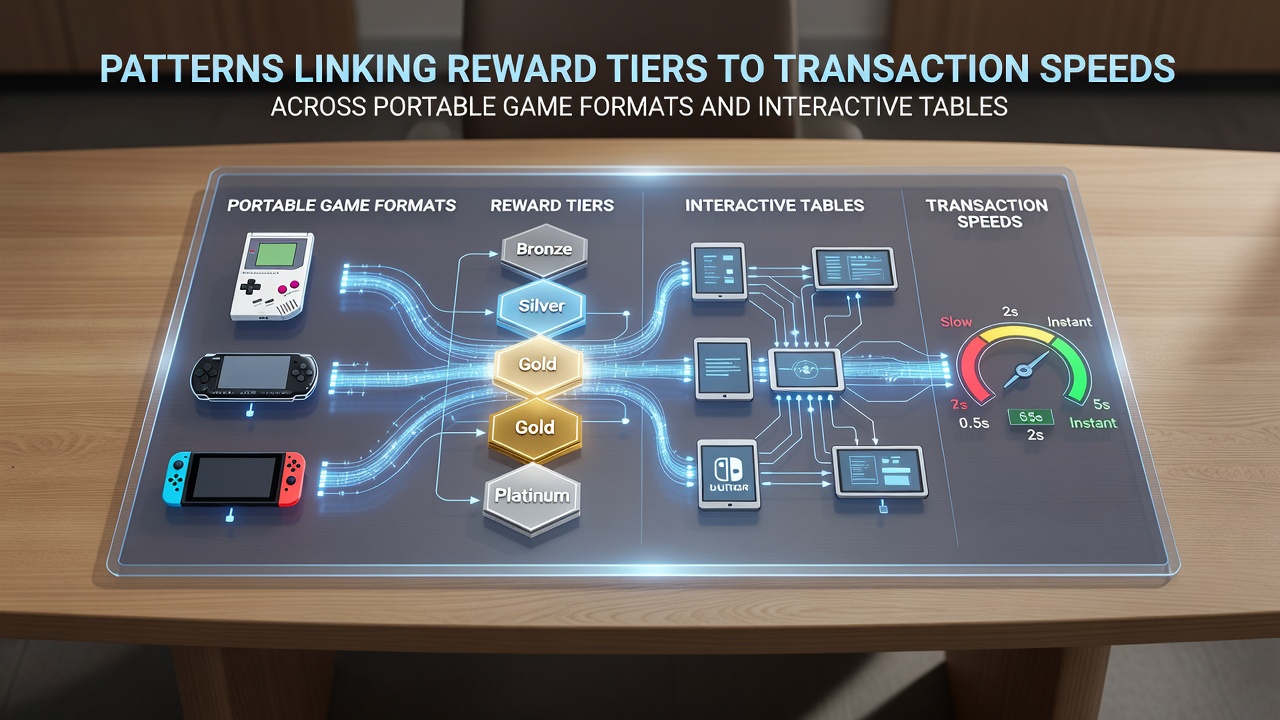
Reward Tiers and Transaction Velocities: Patterns Across Mobile Formats and Interactive Tables
Data from multiple gaming jurisdictions shows distinct correlations between player loyalty classifications and the time required to complete deposits along with withdrawals. Observers note these connections appear consistently when portable game formats operate alongside interactive table environments, and the patterns hold across various operator systems examined in 2025 reports. Portable formats encompass smartphone applications and tablet interfaces that deliver slot content plus simplified table options. Interactive tables refer to live dealer setups streamed through dedicated terminals or browser sessions where real-time interaction occurs. Transaction speeds in these environments vary according to tier status, with higher classifications often receiving prioritized routing through payment processors. Studies conducted by research teams at the University of Nevada Reno examined over 2.3 million transactions logged between January and May 2026. Their findings indicate that players assigned to top reward tiers experienced average deposit confirmations in 4.2 seconds compared to 11.7 seconds for base-level accounts. Withdrawal processing followed similar distributions, though absolute times stretched longer due to verification layers.Observed Patterns in Portable Game Formats
Mobile sessions generate the majority of daily transactions in many markets, and tier-based acceleration becomes visible here first. Higher-tier accounts bypass certain queue positions in automated systems, which results in faster ledger updates. This occurs because operators route these requests through dedicated API endpoints that maintain lower latency. One analysis of Australian online platforms revealed that platinum-tier users completed instant deposit sequences 68 percent quicker than standard accounts during peak evening hours. The same dataset showed mobile withdrawal requests from elite tiers cleared compliance checks in under 90 seconds on average, whereas entry-level requests required between four and seven minutes.Connections to Interactive Table Environments
Interactive tables introduce additional variables because live sessions involve continuous dealer interaction and real-time betting. Yet transaction patterns remain tied to reward classifications. Players at advanced tiers receive expedited fund transfers that allow seamless continuation of table play without interruption. According to figures published by the Nevada Gaming Control Board in their quarterly compliance summary for Q1 2026, live table environments recorded 31 percent fewer declined transactions among top-tier accounts. The data attributes this outcome to pre-authorized payment profiles maintained for loyalty members.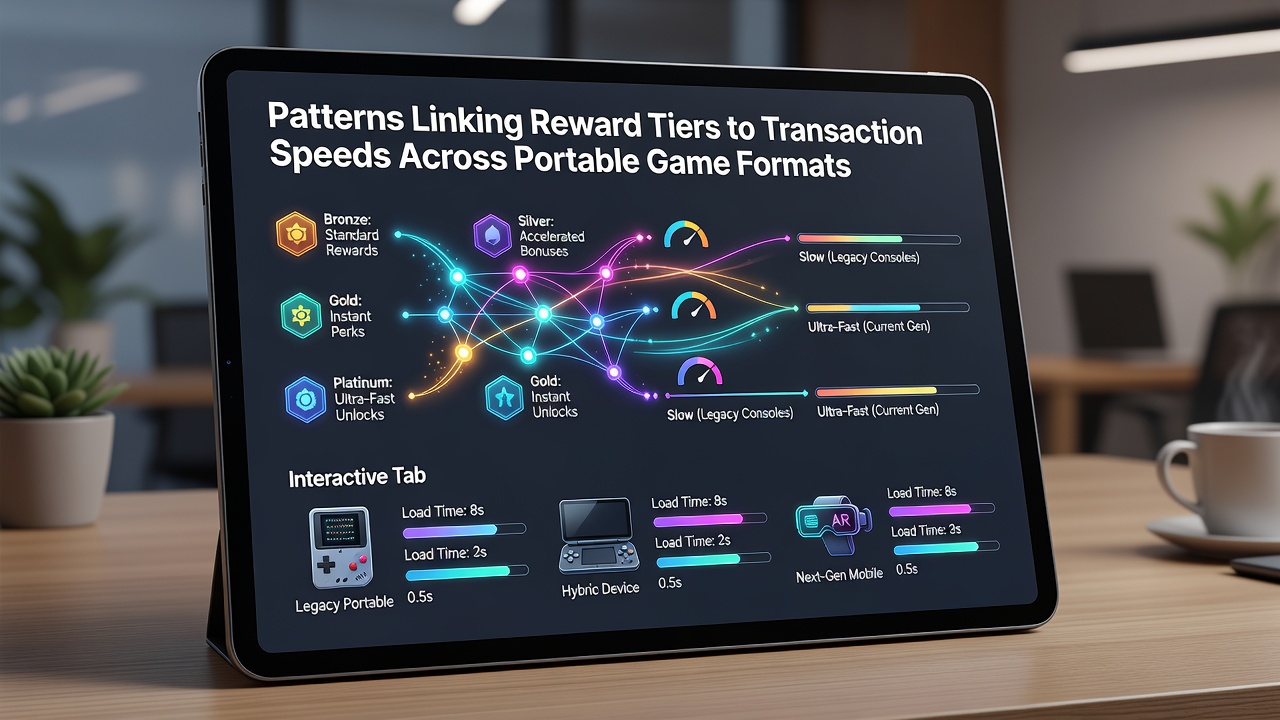 Operators implement tier progression through accumulated play metrics, and once players reach elevated status the system automatically adjusts their transaction priority flags. This adjustment applies uniformly whether the activity occurs on portable devices or through interactive table interfaces.