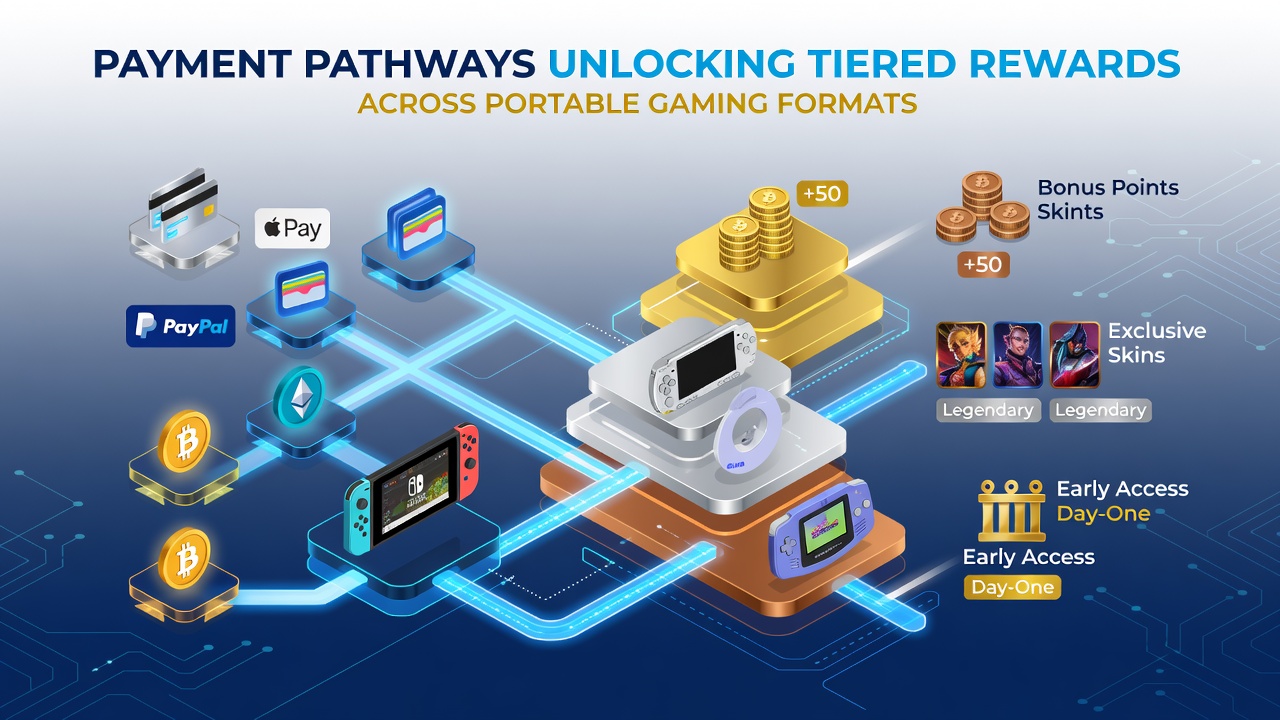
Payment Pathways Unlocking Tiered Rewards Across Portable Gaming Formats
Written by Ellis Griffin · Jun 10, 2026
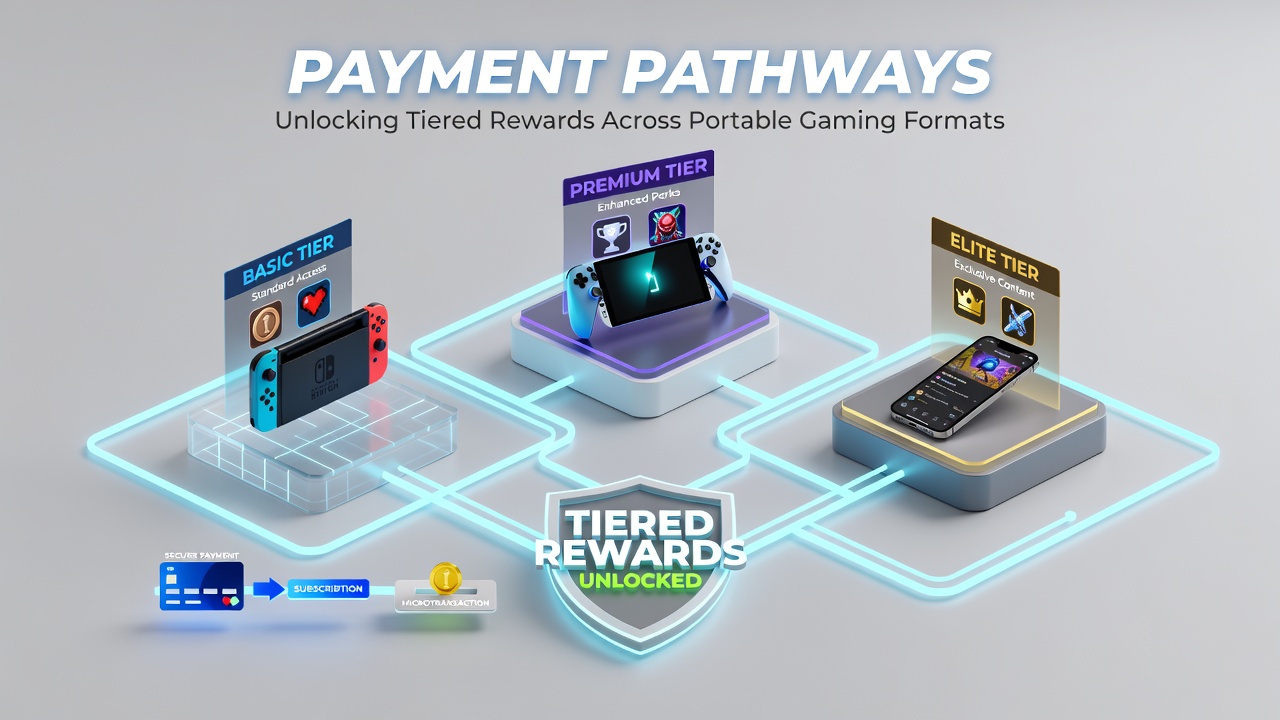
Payment Pathways Unlocking Tiered Rewards Across Portable Gaming Formats
Payment systems now connect directly to reward structures in games that run on phones, tablets, and dedicated handhelds, creating pathways that scale benefits according to spending levels and engagement patterns. Developers build these systems so that each payment method feeds into layered loyalty programs, where users unlock successive tiers of items, currency, or access based on transaction volume and frequency. Portable formats include smartphones running iOS and Android, Nintendo Switch consoles, and emerging devices like Steam Deck units, each with distinct payment integrations that affect how rewards distribute. On mobile platforms, in-app purchase frameworks from major app stores handle the majority of transactions, while handheld consoles often route payments through their own storefronts that tie into account-wide progress tracking.Platform-Specific Payment Mechanics
Different operating systems enforce separate rules for processing payments, which in turn shapes the reward tiers available to players. iOS devices rely on Apple's payment processor that takes a standard cut and records purchases against user Apple IDs, allowing games to grant escalating benefits such as exclusive skins or additional playtime after repeated transactions. Android implementations through Google Play offer similar structures yet permit alternative billing options in certain regions, giving developers flexibility to link external wallets directly to in-game progression systems. Handheld consoles add another layer because their payment pathways connect to manufacturer accounts that span multiple devices, so rewards earned on one portable unit carry over when the same profile logs in elsewhere. This cross-device continuity encourages sustained spending because players see accumulated tier status follow them regardless of which format they choose at any moment.Tier Structures and Transaction Triggers
Most tiered reward programs define levels through cumulative spending thresholds that reset on monthly or seasonal cycles. Entry-level tiers activate after the first qualifying purchase, granting basic items such as cosmetic upgrades or small resource packs, while higher tiers require larger cumulative amounts or subscription commitments that deliver accelerated progress and priority access to new content drops. Observers note that payment method choice influences tier advancement speed because some pathways, including direct carrier billing and digital wallets, process faster and avoid additional verification steps that can delay reward distribution. Data from industry reports shows that users who select instant-payment options reach mid-level tiers more quickly than those limited to slower methods like certain bank transfers.