Payment Integration Driving Reward Structures in Mobile Casino Platforms with Live Hosts and Collective Prize Systems
Written by Ines Brooks · Aug 2, 2026
Payment Integration Driving Reward Structures in Mobile Casino Platforms with Live Hosts and Collective Prize Systems
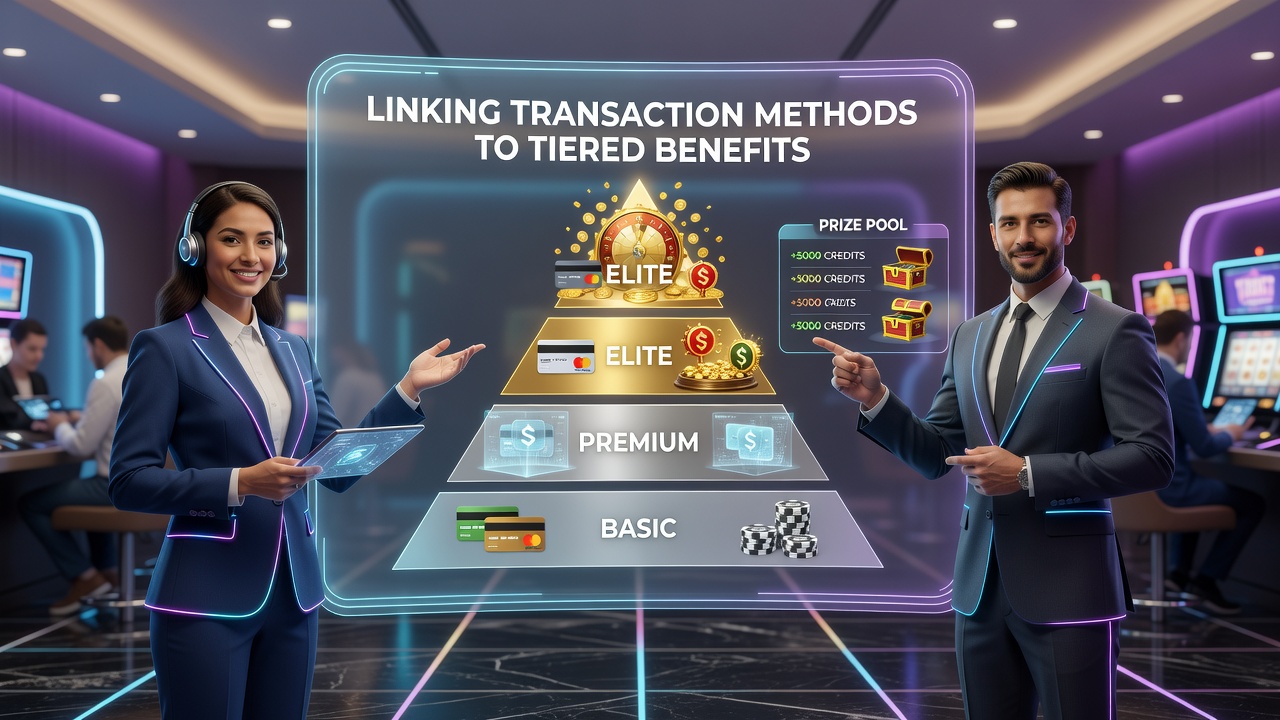
Transaction methods now connect directly to structured benefit tiers across mobile casino platforms that incorporate interactive hosts alongside pooled prize mechanisms, and this linkage shapes how users access rewards based on deposit speed, volume, and verification status. Data from industry reports shows that platforms employing instant payment gateways often assign higher reward multipliers to users who complete transactions through approved channels, while slower methods route participants into lower tiers with reduced access to prize pool entries.
Core Mechanics of Transaction to Benefit Mapping
Payment processors categorize deposits by speed and cost, then feed those categories into automated systems that adjust benefit levels in real time; for instance, credit card transfers that clear within seconds unlock immediate tier progression, whereas bank transfers that take days place accounts in base categories until confirmation arrives. Research indicates that such mapping reduces processing friction for frequent users and channels prize pool contributions toward verified high-volume accounts, creating measurable differences in win distribution patterns observed during peak activity periods.
Handheld Environment Considerations
Portable devices require seamless payment flows because users expect uninterrupted sessions while switching networks or locations, and operators have responded by embedding digital wallets that sync transaction history directly with tier calculators embedded in the app architecture. Observers note that battery-efficient APIs allow background verification without draining resources, which maintains continuous access to interactive host sessions and prize pool updates even during extended play on handheld hardware.
Role of Interactive Hosts in Tier Progression
Live hosts within these environments moderate table games and prize draws while simultaneously displaying tier status updates to participants, and this visibility encourages users to select faster transaction methods to unlock visible perks such as reserved seating or enhanced multipliers on pooled prizes. Figures from platform analytics reveal that sessions featuring real-time host interaction see higher average transaction volumes per user compared to automated-only formats, because the human element reinforces the connection between payment choice and immediate reward visibility.
Prize Pool Accumulation and Distribution Rules
Prize pools draw contributions proportionally from each completed transaction, with tiered accounts receiving weighted shares that scale according to their assigned benefit level at the moment of entry; lower tiers contribute to the same pool yet receive smaller allocation percentages, while elevated tiers access additional entry slots or bonus multipliers. In August 2026 several operators introduced synchronized pool resets timed with regulatory reporting cycles in multiple jurisdictions, which aligned transaction data feeds more closely with public disclosure requirements and allowed clearer tracking of how payment method preferences influenced overall distribution outcomes.
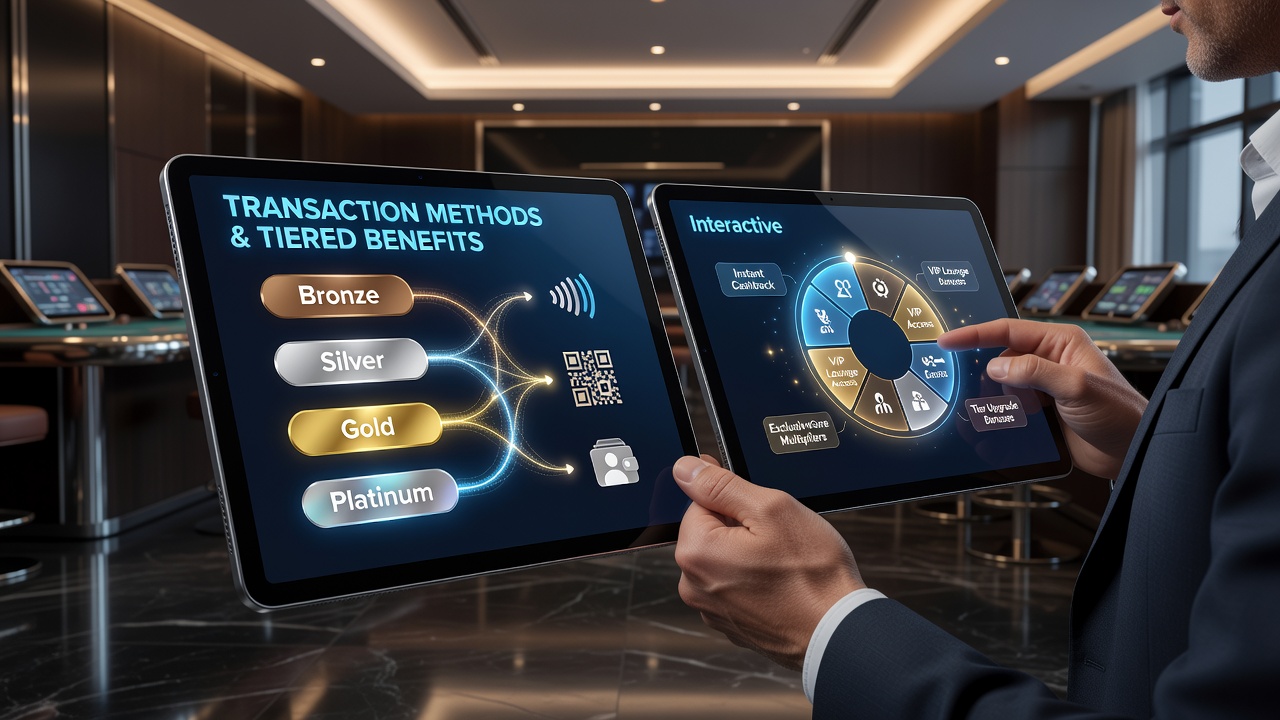
Studies conducted by the Australian Communications and Media Authority demonstrate that transparent tier-to-pool linkages correlate with steadier user retention across handheld platforms, because participants receive predictable feedback on how their chosen payment method affects future prize eligibility. Similar patterns appear in reports issued by the Harvard Business Review on fintech applications within entertainment sectors, where faster transaction rails consistently map to accelerated tier movement and larger collective prize shares.
Security and Compliance Layers
Verification protocols embedded in transaction pipelines check identity documents and device fingerprints before assigning tier status, which prevents unauthorized elevation into higher benefit brackets that control prize pool access. Operators maintain audit logs that record every payment-to-tier linkage, enabling regulators to review distribution fairness without disrupting live host sessions or mobile gameplay continuity.
Future Adjustments in Platform Architecture
Developers continue refining algorithms that recalculate tier positions after each transaction batch, incorporating factors such as regional payment regulations and device compatibility to keep benefit structures aligned with handheld usage patterns. Those adjustments ensure prize pool contributions remain balanced even as new payment rails emerge and interactive host features expand across additional device types.
Conclusion
The linkage between transaction methods and tiered benefits within handheld casino environments featuring interactive hosts and prize pools rests on automated mapping systems that translate payment characteristics into reward access levels, and available data confirms measurable effects on prize distribution and user progression. Continued refinement of these connections, supported by regulatory oversight from varied jurisdictions, sustains the operational framework that governs mobile platform performance through 2026 and beyond.