Pathways to Elevation: Incentive Layers in Portable Reel and Card Game Simulations
Written by Harper Long · May 20, 2026
Pathways to Elevation: Incentive Layers in Portable Reel and Card Game Simulations
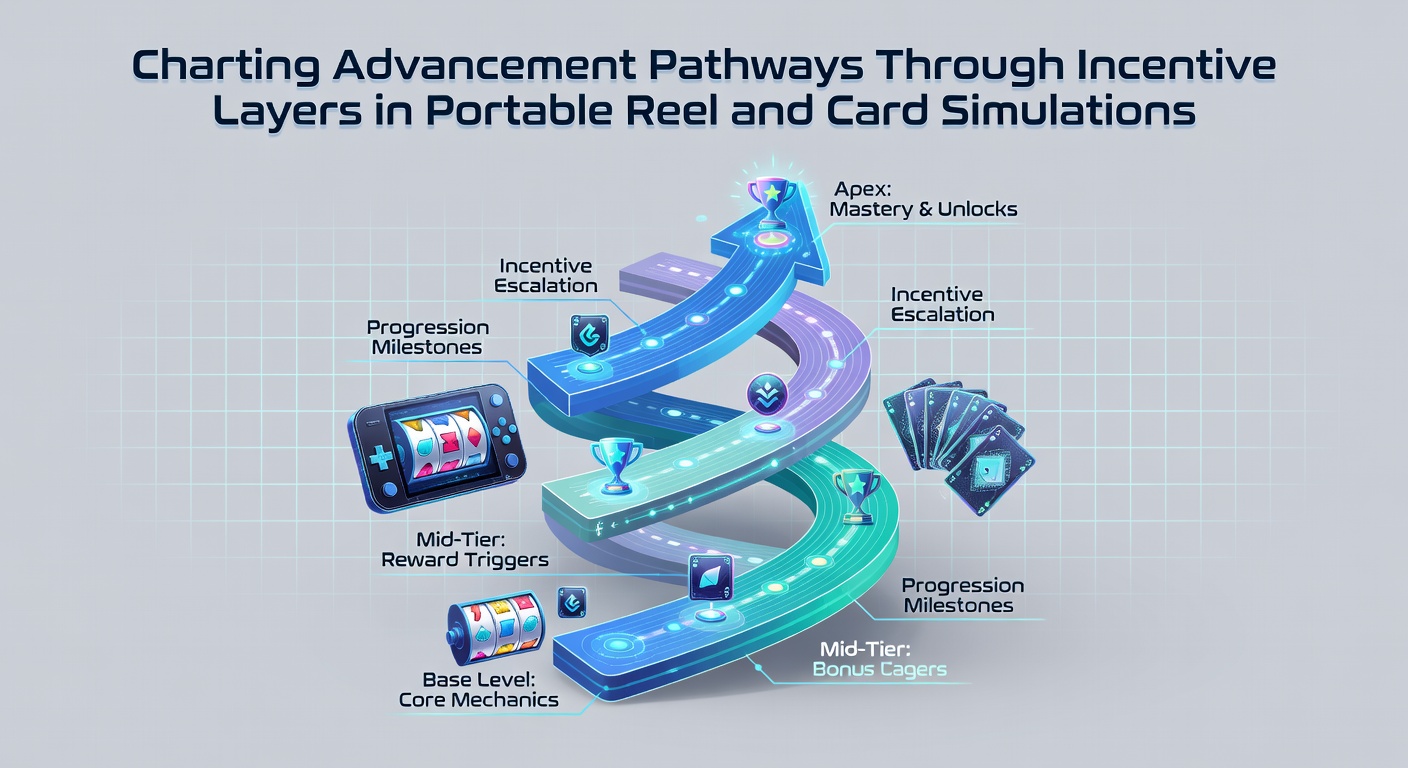
Players encounter structured systems that map out advancement through successive incentive layers in portable reel and card simulations, where mobile applications organize rewards around play frequency, wager volume, and completion of specific challenges. These layers function as sequential stages that convert regular activity into cumulative benefits such as enhanced multipliers, exclusive game access, and personalized promotions, with data from industry reports indicating steady adoption across major platforms in 2025 and into 2026.
Research from the New Jersey Division of Gaming Enforcement shows that mobile gaming sessions now account for over 65 percent of total online activity in regulated markets, and developers respond by embedding progression mechanics that reward consistent engagement rather than isolated wins. Incentive layers typically begin with entry-level status that grants basic daily login rewards before unlocking mid-tier benefits after a defined number of spins or hands, and this structure encourages extended sessions while providing measurable milestones that players track through in-app dashboards.
Mechanics of Layered Progression in Reel Simulations
Reel simulations, commonly known as slot games on portable devices, integrate incentive layers through point accumulation systems that scale with bet size and frequency, where each completed spin contributes to a visible progress bar that advances users toward the next tier. Observers note that these systems often combine automated triggers, such as streak bonuses for consecutive days of play, with optional challenges like reaching a target number of bonus round triggers, and the combination produces pathways that feel both predictable and attainable. Figures from recent platform analytics reveal that users who reach the third incentive layer demonstrate retention rates approximately 40 percent higher than those remaining at the base level, suggesting the design effectively sustains participation over weeks and months.
Developers incorporate seasonal events around May 2026 that temporarily accelerate layer advancement through limited-time multipliers, allowing players who complete targeted reel sequences to skip ahead and claim elevated rewards ahead of schedule. Such timed campaigns align with broader patterns documented in gaming association studies, where structured incentives correlate with increased session length without requiring changes to core game mathematics.
Card Simulation Pathways and Tier Integration
Card simulations on mobile platforms apply similar layered structures, yet they emphasize decision-based milestones alongside volume metrics, so players advance by achieving specific win percentages, completing strategy challenges, or maintaining bankroll thresholds across multiple hands. These pathways reward both skill demonstration and persistence, with intermediate layers unlocking features such as reduced house-edge variants or priority seating in live dealer rooms that connect directly to the same mobile application. Studies indicate that participants who move through three or more incentive layers in card environments show measurable improvements in average decision accuracy, as the system surfaces educational prompts and practice modes at each new stage.
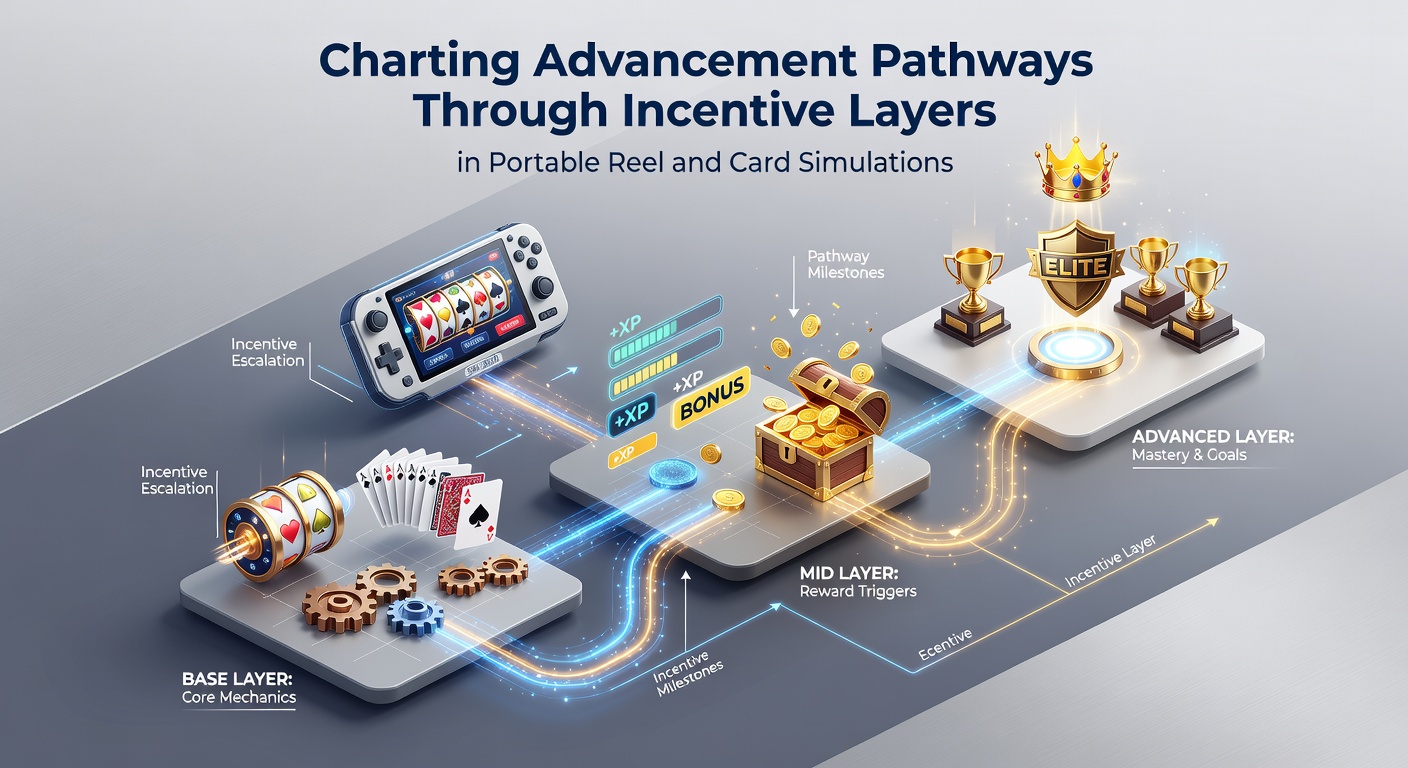
Cross-game compatibility appears in many current implementations, allowing points earned in reel simulations to contribute toward card simulation tiers and vice versa, which creates unified advancement routes rather than isolated tracks. This integration simplifies tracking for users while expanding the range of activities that feed into the overall progression model, and platform data confirms higher cross-title engagement when such linkages remain active.
Portable Technology Enabling Real-Time Layer Updates
Smartphone and tablet hardware supports continuous synchronization of incentive data through cloud-based accounts, so progress achieved on one device immediately reflects across others without manual intervention. Push notifications alert users when they near the next layer threshold or when new challenges become available, and this immediacy keeps the advancement process visible during brief sessions that might otherwise lack clear direction. Industry organizations such as the American Gaming Association have documented how these technical capabilities reduce friction in reward delivery, allowing operators to adjust layer requirements dynamically based on aggregate player behavior without disrupting individual experiences.
Security protocols embedded in modern portable systems protect account-linked progress and prevent unauthorized transfers, while regulatory frameworks in multiple jurisdictions require transparent disclosure of how points convert into tangible benefits at each layer. These safeguards maintain trust as players invest time across extended periods, and compliance reports from 2025 confirm consistent adherence across leading mobile titles.
Conclusion
Layered incentive structures in portable reel and card simulations establish clear advancement pathways that convert routine play into progressive status gains, supported by technical infrastructure that delivers updates in real time and seasonal events that accelerate movement during specific windows such as May 2026. Data from regulatory bodies and industry analyses demonstrate measurable impacts on retention and engagement metrics, while unified tracking across game types broadens participation without altering underlying simulation rules. These systems continue to evolve through measured refinements that align player activity with sustainable reward distribution.