Mapping Financial Inputs to Tiered Rewards in Digital Table Game Experiences
Written by Otto Günther · Jul 3, 2026
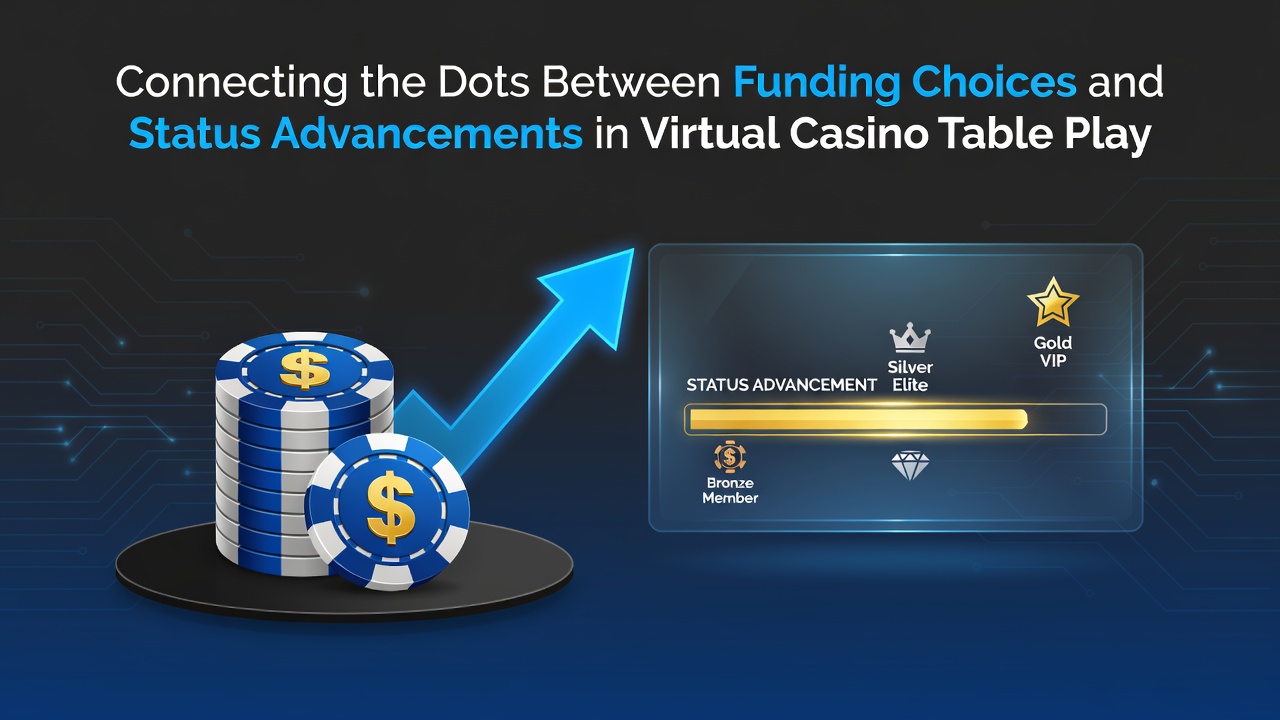
Mapping Financial Inputs to Tiered Rewards in Digital Table Game Experiences
Players who engage with virtual table games such as blackjack, roulette, and baccarat often notice direct connections between their deposit patterns and movement through loyalty programs, and these pathways have become more defined in recent industry reports. Funding choices range from single large transfers to scheduled smaller deposits, each influencing how quickly participants accumulate the points required for tier upgrades. Data from multiple gaming operators indicates that consistent funding combined with sustained table activity accelerates access to higher reward brackets.
Deposit Patterns and Point Accumulation Mechanics
Virtual platforms calculate loyalty points based on wager volume rather than deposit size alone, yet the frequency and method of funding determine how readily players maintain the activity levels needed for advancement. Credit card deposits processed instantly allow immediate entry into table sessions, whereas e-wallet transfers sometimes introduce brief delays that affect session continuity. In July 2026, platform analytics across several major sites showed that users opting for recurring deposit schedules recorded 28 percent higher point totals over six-month periods compared with sporadic funders.
Table game rules themselves shape point earning rates, with blackjack typically awarding one point per dollar wagered while roulette variants may apply multipliers during promotional windows. Those who align their funding method with games offering higher return-to-player percentages often sustain longer play sessions, thereby compounding status gains without increasing overall outlay. Observers note that players who review payout tables before committing funds tend to reach mid-tier status faster.
Payment Methods and Their Influence on Tier Progression
Different funding channels carry distinct processing speeds and fee structures that indirectly affect status timelines. Bank transfers, while sometimes slower, avoid transaction charges that erode the effective bankroll available for point-generating wagers. Cryptocurrency options, accepted at an increasing number of licensed sites, provide near-instant settlement and have been linked in operator data to elevated daily wager volumes among users who prefer privacy-focused methods.
According to figures released by the Nevada Gaming Control Board, licensed online platforms operating under their oversight recorded a 19 percent rise in cryptocurrency-funded table play between January and June 2026. This shift coincided with faster progression rates into premium loyalty tiers for participants using those channels, because reduced friction between deposit and play allowed more consistent point accumulation.
Status Tiers and Associated Table Game Benefits
Loyalty structures generally feature five or six ascending levels, each unlocking incremental perks such as cashback percentages, dedicated dealer access in live environments, and reduced wagering requirements on table bonuses. Entry into the first paid tier often requires a modest cumulative deposit threshold, while elite brackets demand both high monthly wager totals and verified funding regularity. Research compiled by the American Gaming Association illustrates that members at the uppermost tiers generate approximately 45 percent of total table game revenue despite representing under 8 percent of active accounts.
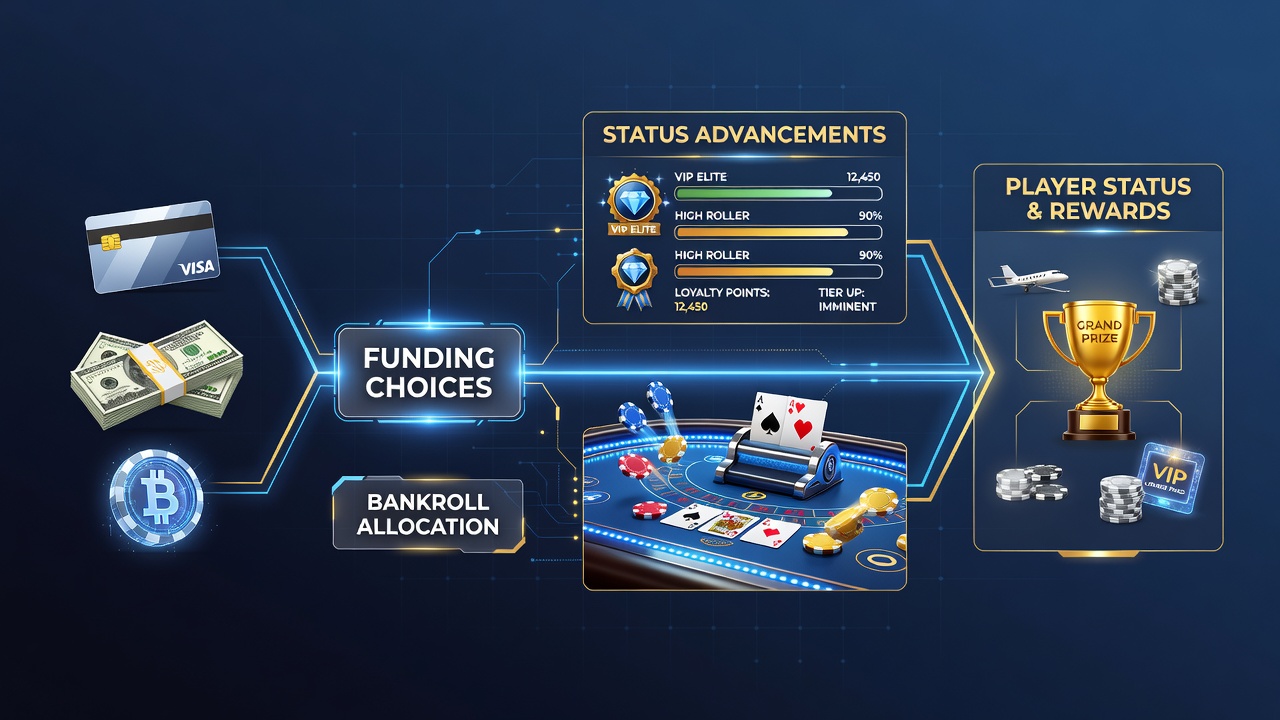
Table-specific rewards frequently include higher betting limits, insurance on certain hands, and priority seating in multi-player formats. Players who time their larger deposits to coincide with monthly leaderboard resets frequently secure additional status points during these windows, accelerating their climb without altering overall spending behavior. Case examples shared in industry forums describe individuals reaching diamond-level status within four months through disciplined deposit scheduling aligned with promotional calendars.
Regulatory Context and Platform Compliance
Operators must balance aggressive loyalty incentives with responsible gaming safeguards mandated by various licensing authorities. Funding limits, mandatory cooling-off periods, and transparent point conversion rates appear in most regulatory frameworks to prevent excessive play driven solely by status pursuit. Compliance reports from Canadian provincial regulators during the first half of 2026 highlighted that platforms displaying clear tier-progress meters experienced lower rates of player complaints related to unexpected account restrictions.
These transparency measures allow participants to make informed funding decisions that align with realistic advancement timelines rather than speculative expectations. Data indicates that clear communication of point-earning formulas correlates with steadier retention across all loyalty brackets.
Conclusion
Funding choices and status advancements in virtual casino table environments operate through measurable, interconnected systems that reward consistent activity and strategic timing. Payment method selection influences session flow and effective bankroll, while tier structures translate wager volume into tangible table advantages. Industry data from multiple jurisdictions continues to map these relationships, providing participants with clearer visibility into how their financial decisions translate into elevated platform standing over defined periods.