Linking Player Preferences to Adaptive Transactions in Digital Entertainment Reward Systems
Written by Alex Washington · Jun 3, 2026
Linking Player Preferences to Adaptive Transactions in Digital Entertainment Reward Systems
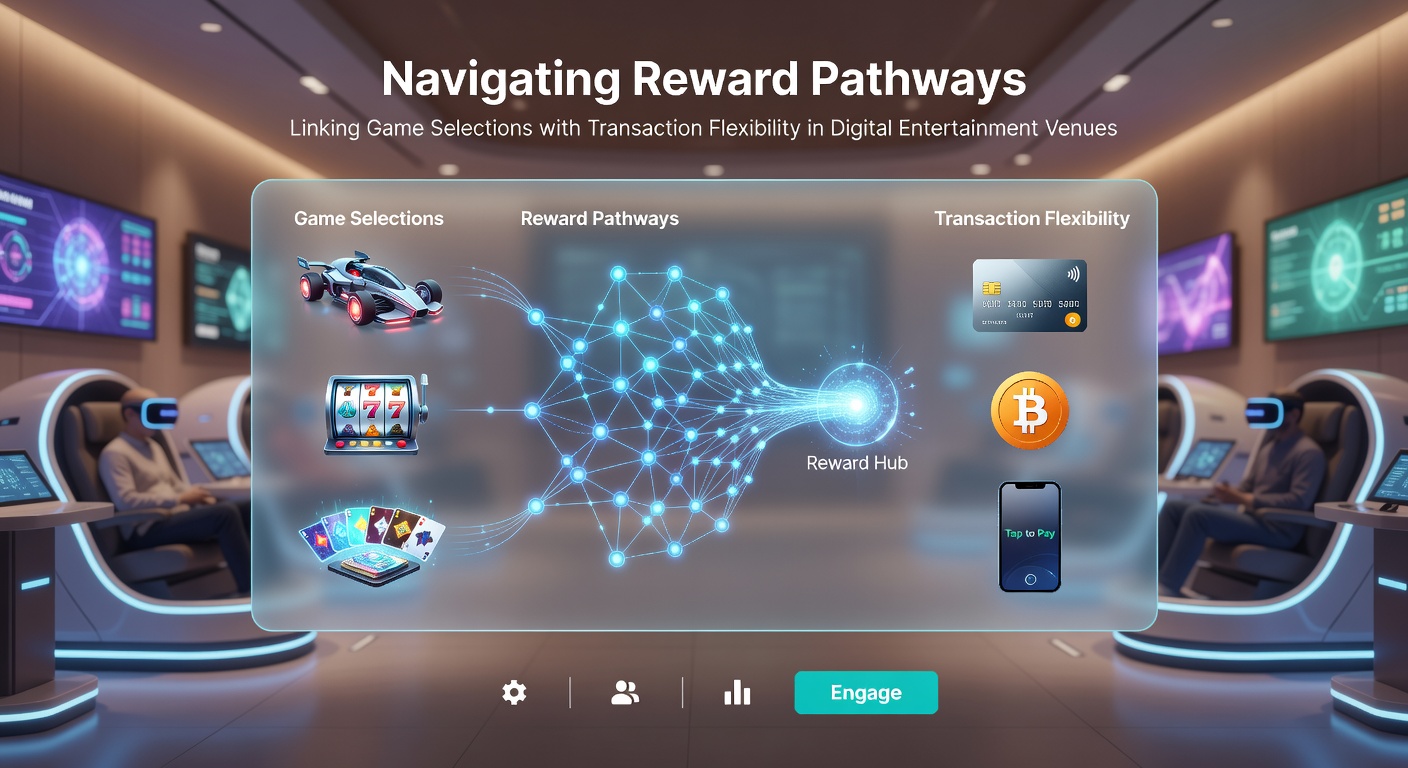
Digital entertainment venues have developed intricate systems that tie specific game selections to varied transaction methods, creating pathways that influence reward accumulation and access levels. Observers note that these connections have strengthened over recent years as platforms integrate more options for deposits and withdrawals alongside game libraries that span slots, table games, and live dealer formats. Data from industry reports indicates players who align their choices with flexible payment tools often reach higher reward tiers faster than those using limited methods.
Core Mechanics of Game and Payment Intersections
Game categories carry distinct reward structures that respond differently to transaction flexibility. Slots typically pair with instant deposit services like e-wallets because these enable rapid bonus activation and frequent small wins that compound into loyalty points. Table games, by contrast, connect more readily with bank transfers or card options that support larger stakes and slower-paced reward tracking. Researchers at academic institutions have documented how these pairings affect player progression through tiered programs where cumulative activity determines eligibility for enhanced features.
Transaction flexibility refers to the range of deposit speeds, withdrawal limits, and currency supports available on a given platform. Venues that offer multiple methods allow users to switch between options based on game type without interrupting reward accrual. For instance one study found that participants using hybrid approaches—e-wallets for slots sessions followed by card payments for table play—accumulated points at rates 15 to 20 percent higher than single-method users during controlled observation periods.
Patterns Emerging in Mid-2026 Data Sets
Figures compiled through June 2026 reveal expanded adoption of modular payment systems across major platforms. These systems let operators adjust transaction parameters in real time to match seasonal game promotions. Evidence suggests that platforms incorporating such adaptability saw increased retention among users who favored specific game clusters. Australian regulatory summaries highlight similar trends where transaction variety correlated wth steadier reward pathway navigation over multi-month spans.
Live dealer environments present another layer where payment timing matters. These games often run on schedules that reward consistent participation, and flexible funding methods reduce friction during peak hours. Reports from the American Gaming Association note that venues providing instant top-up options alongside live tables recorded higher average session lengths in early 2026 tracking. Players maintained momentum toward milestone rewards without pausing to resolve funding delays.
Regional Variations in System Design
Different jurisdictions shape how these linkages operate. North American platforms emphasize integration between loyalty apps and diverse funding sources to meet local compliance standards. European operators focus on cross-border transaction support that accommodates multiple currencies while preserving reward continuity. Canadian provincial data shows that streamlined payment switches between game types helped maintain consistent point earning even when users moved between mobile and desktop interfaces.
Industry organizations such as the European Gaming and Betting Association have published overviews that map these regional differences without prescribing one model over another. The summaries indicate that successful implementations share a common trait: clear mapping between game categories and supported transaction tools so users understand the reward implications before selecting either.
Technical Foundations Supporting These Pathways
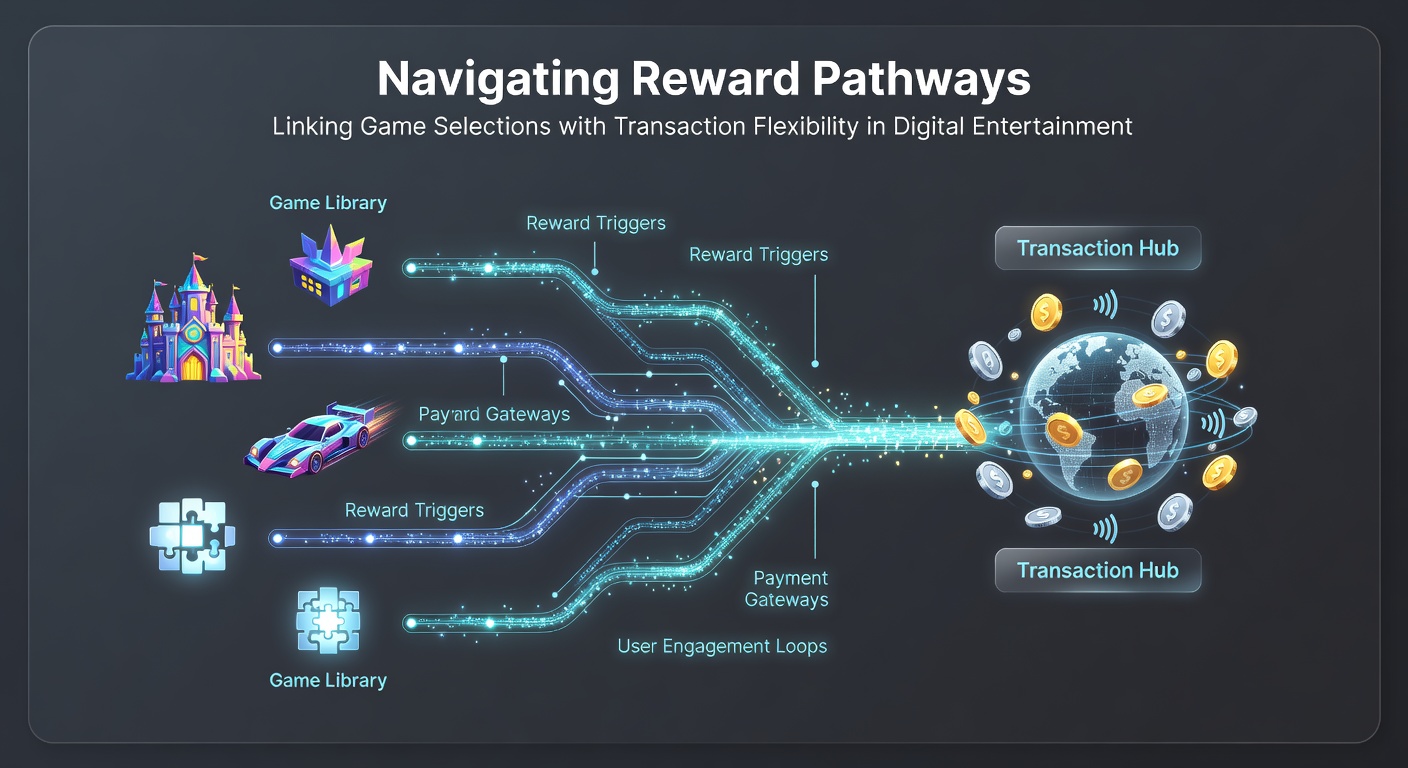
Backend architectures rely on application programming interfaces that synchronize game servers with payment processors. When a user initiates a deposit through a chosen method the system immediately updates reward eligibility flags for the selected game type. This synchronization prevents mismatches where a payment clears but the associated bonus fails to register. Observers point to June 2026 platform updates that refined these handoffs, reducing error rates reported in earlier system audits.
Security protocols also factor into flexibility. Venues that maintain multiple verified payment channels can route transactions through the most secure available route for each game category. Research papers from university gaming studies departments describe how layered authentication tied to transaction type adds protection without slowing reward progression for verified accounts.
Conclusion
Connections between game selections and transaction flexibility continue to define how reward pathways function in digital entertainment venues. Data collected through mid-2026 demonstrates measurable differences in progression speed when users match payment methods to game characteristics. Regulatory summaries from various regions and reports from trade groups provide ongoing documentation of these patterns as platforms refine their technical integrations. Those who examine the available options find that deliberate alignment between game preferences and funding tools produces the most consistent movement along reward tracks.