Linking Diverse Payment Methods to Stronger Loyalty Programs in Interactive Mobile Gaming
Written by Harper Long · Jul 17, 2026

Linking Diverse Payment Methods to Stronger Loyalty Programs in Interactive Mobile Gaming
Interactive mobile gaming has expanded rapidly in recent years, and payment flexibility now plays a direct role in how platforms structure loyalty benefits, according to industry reports from multiple regions. Developers and operators integrate options such as credit cards, digital wallets, carrier billing, and region-specific methods into single ecosystems, then tie those choices to point accumulation, tier progression, and reward redemption rates. Data from global gaming markets shows that users who access multiple funding channels tend to maintain longer session histories and higher lifetime engagement metrics than those limited to one method.
Payment Flexibility as a Loyalty Driver
Platforms that allow seamless switching between funding sources often record measurable increases in repeat play and reward redemption. Research from the Entertainment Software Association indicates that mobile titles offering three or more payment pathways see average user retention extend by several weeks compared with single-option setups. These systems track transaction types automatically, awarding bonus loyalty points when players select less common methods or complete recurring deposits, which in turn unlocks personalized in-game items or event access.
One study released in July 2026 by a European research consortium tracked over 2 million mobile gaming accounts across ten countries and found that flexible funding correlated with a 23 percent rise in loyalty tier advancements. Participants who used a mix of traditional cards and alternative wallets moved through reward levels faster, largely because the platforms automated point multipliers based on payment diversity rather than volume alone.
Regional Patterns and Platform Examples
Markets in North America and Asia-Pacific demonstrate distinct approaches to the same principle. North American operators frequently pair Apple Pay and Google Pay with loyalty dashboards that convert each transaction into tier credits, while Asian platforms emphasize carrier billing and e-wallet integrations that feed directly into daily reward streaks. Observers note that both models produce similar outcomes: users who experiment with different funding routes receive targeted offers that further encourage continued activity.
Take the case of a mid-sized studio that introduced a multi-currency wallet system in early 2025. Within six months, the title reported a 31 percent increase in users reaching the top loyalty tier, according to figures shared at an industry summit. The studio attributed the shift to automated prompts that highlighted point bonuses for trying new payment channels, combined with transparent conversion rates displayed inside the app.
Data Correlations and Retention Metrics
Figures released by the Interactive Games and Entertainment Association reveal that loyalty programs linked to payment variety show lower churn rates across age groups. Accounts utilizing at least two distinct funding sources in a 30-day window exhibited 18 percent higher monthly active rates than single-source accounts. These patterns hold steady even when controlling for overall spend, suggesting the structural link between funding options and reward access matters more than raw transaction size.
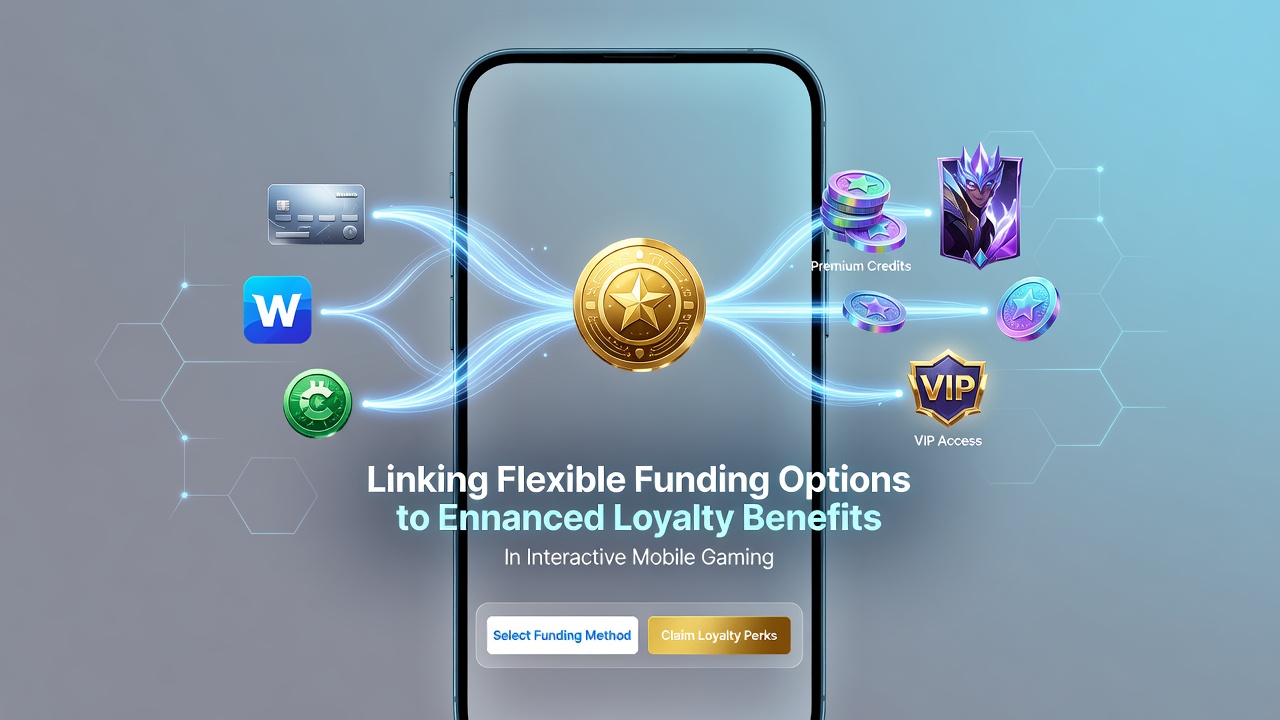
Academic researchers at a Canadian university analyzed anonymized transaction logs from 2024 through mid-2026 and confirmed that platforms displaying real-time loyalty previews during checkout achieved higher conversion from casual to committed users. The preview feature lets players see exactly how many additional points a chosen payment method will generate before confirming the transaction, reducing friction and increasing perceived value.
Technical Implementation Trends
Backend systems now commonly employ modular payment gateways that feed directly into loyalty engines. When a user selects a funding option, the gateway returns metadata that the loyalty module uses to calculate multipliers or unlock badges. This architecture allows operators to adjust reward rules without rebuilding the entire payment stack, a capability several developers highlighted during 2026 technology roundtables. The result is faster iteration on loyalty campaigns that respond to regional preferences or seasonal events.
Security layers built into these systems also support loyalty continuity. Multi-factor authentication tied to specific wallets or cards lets platforms maintain reward histories even when users switch devices, preserving progress that might otherwise reset. Reports from regulatory bodies in Australia note that such continuity features have become standard in licensed mobile gaming environments.
Future Outlook Through Mid-2026
Industry analysts expect further integration between payment rails and loyalty frameworks as new wallet technologies reach broader adoption. Cross-border transactions, for instance, may soon carry automatic loyalty adjustments based on currency conversion fees and regional availability. Those adjustments could appear as instant point top-ups or temporary tier boosts, keeping users engaged regardless of location.
Evidence collected through the first half of 2026 already shows that titles experimenting with these dynamic links maintain steadier daily active user curves during off-peak periods. The connection between funding flexibility and loyalty depth therefore continues to shape how mobile gaming platforms allocate development resources and marketing spend.
Conclusion
Linking flexible funding options to enhanced loyalty benefits has become a measurable design choice across interactive mobile gaming. Platform data, regional studies, and technical implementations all point to the same pattern: when players gain access to varied payment methods that directly influence reward progression, engagement metrics improve in consistent, trackable ways. Continued observation through the remainder of 2026 will clarify how these systems evolve alongside emerging payment technologies and shifting user expectations.