How Flexible Transaction Systems Influence Tiered Loyalty Rewards in Slots and Live Dealer Platforms
Written by Harper Long · Jul 8, 2026
How Flexible Transaction Systems Influence Tiered Loyalty Rewards in Slots and Live Dealer Platforms
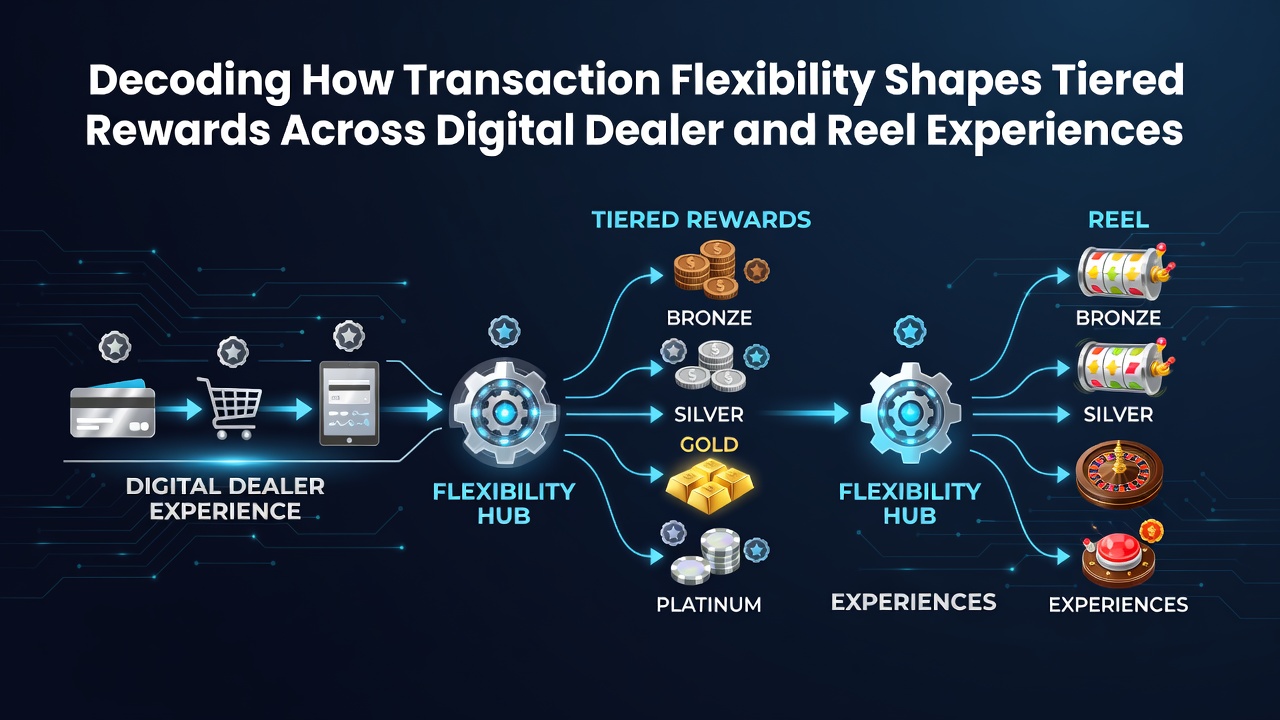
Transaction flexibility refers to the range of payment methods, processing speeds, and transfer limits that gaming platforms provide to users, and this element directly affects how players accumulate points toward tiered rewards in both reel-based slots and live dealer environments, according to industry analyses from 2025 through mid-2026.
Platforms offering instant deposits via multiple channels including bank transfers, e-wallets, and digital currencies enable quicker session starts, which leads to higher play volumes and faster progression through loyalty levels where users unlock enhanced bonuses, cashback percentages, and exclusive table access. Data from the American Gaming Association indicates that operators with streamlined payment options report 25 to 40 percent higher engagement rates in reward programs compared to those with limited methods.
Payment Speed and Point Accumulation Mechanics
Reel experiences often tie reward points to spin volume and bet size, yet flexible transactions allow players to reload balances without interruption so they maintain momentum toward silver, gold, or platinum tiers that deliver multipliers on winnings or priority access to progressive jackpots, whereas live dealer sessions connect points more closely to table time and bet frequency, and operators adjust these systems based on how quickly funds move in and out of accounts.
Research from the University of Nevada Gaming Innovation Lab shows that when deposit processing drops below 30 seconds, users extend play sessions by an average of 18 minutes per hour, and this extension compounds across both game types to accelerate tier advancement. July 2026 figures from European gaming associations reveal similar patterns in markets where crypto options expanded, with live dealer participants reaching elite status 12 percent faster than those relying on traditional bank rails.
Differences Between Reel and Dealer Reward Structures
Slots reward systems frequently emphasize volume through free spin allocations or bonus round entries that scale with tier level, and flexible payments support this by permitting seamless switches between games without withdrawal delays that might otherwise pause momentum. Live dealer formats, by contrast, incorporate comps based on theoretical loss and time spent at virtual tables, so instant funding options help players sustain longer sessions that qualify for higher-tier invitations to private events or dedicated host services.
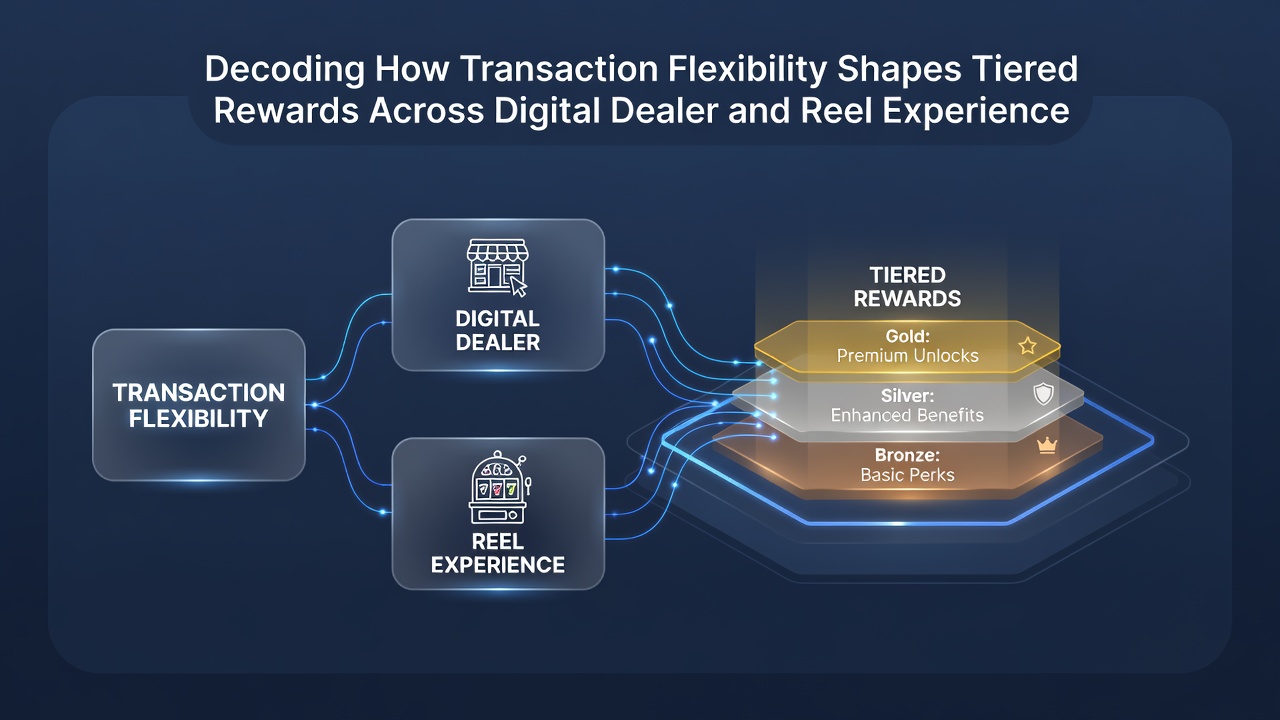
One operator in the Canadian market adjusted its structure after introducing broader payment flexibility, and subsequent reports documented a 30 percent rise in users crossing from mid-tier to top-tier status within three months, while similar adjustments in Australian platforms produced parallel gains in both slots and dealer categories.
Regional Regulatory Influences on Transaction Options
Regulatory frameworks in various jurisdictions shape which payment methods operators may deploy, and these rules indirectly guide reward tier design because platforms must align transaction features with compliance requirements before linking them to loyalty benefits. The Canadian Gaming Association notes that provinces permitting diverse digital payment channels see operators bundle those options with tiered perks more aggressively than regions with stricter controls.
Meanwhile, data compiled by the European Betting and Gaming Association highlights that markets adopting updated electronic payment standards in 2025 experienced measurable shifts in how reward programs distribute benefits across game formats, with reel players gaining more from speed-focused incentives and dealer participants benefiting from volume-based structures that reward sustained table engagement.
Integration of Multiple Payment Channels
When platforms integrate several transaction routes, they often create unified loyalty ledgers that track activity regardless of funding source, and this unification allows tier progression to reflect total play rather than isolated deposits. Observers note that such integration reduces friction points that previously fragmented reward accumulation, particularly when users alternate between slots and live dealer tables during a single session.
Studies released in early 2026 demonstrate that operators providing at least five distinct payment pathways achieve more balanced distribution of tier benefits between reel and dealer segments, whereas narrower selections tend to favor one format over the other depending on the dominant user preference in that market.
Conclusion
Transaction flexibility continues to serve as a central factor in how tiered rewards develop across digital gaming formats, with evidence from multiple regions confirming that faster and more varied payment options correlate with accelerated point accumulation and broader access to higher loyalty levels in both slots and live dealer settings. Platforms that align these systems with regulatory standards and user behavior data maintain stronger engagement patterns, and ongoing monitoring through 2026 will likely reveal further refinements as new payment technologies emerge.