How Diverse Payment Methods Accelerate Progression Through Reward Tiers in Mobile Casino Ecosystems
Written by Ines Brooks · Jul 31, 2026
How Diverse Payment Methods Accelerate Progression Through Reward Tiers in Mobile Casino Ecosystems
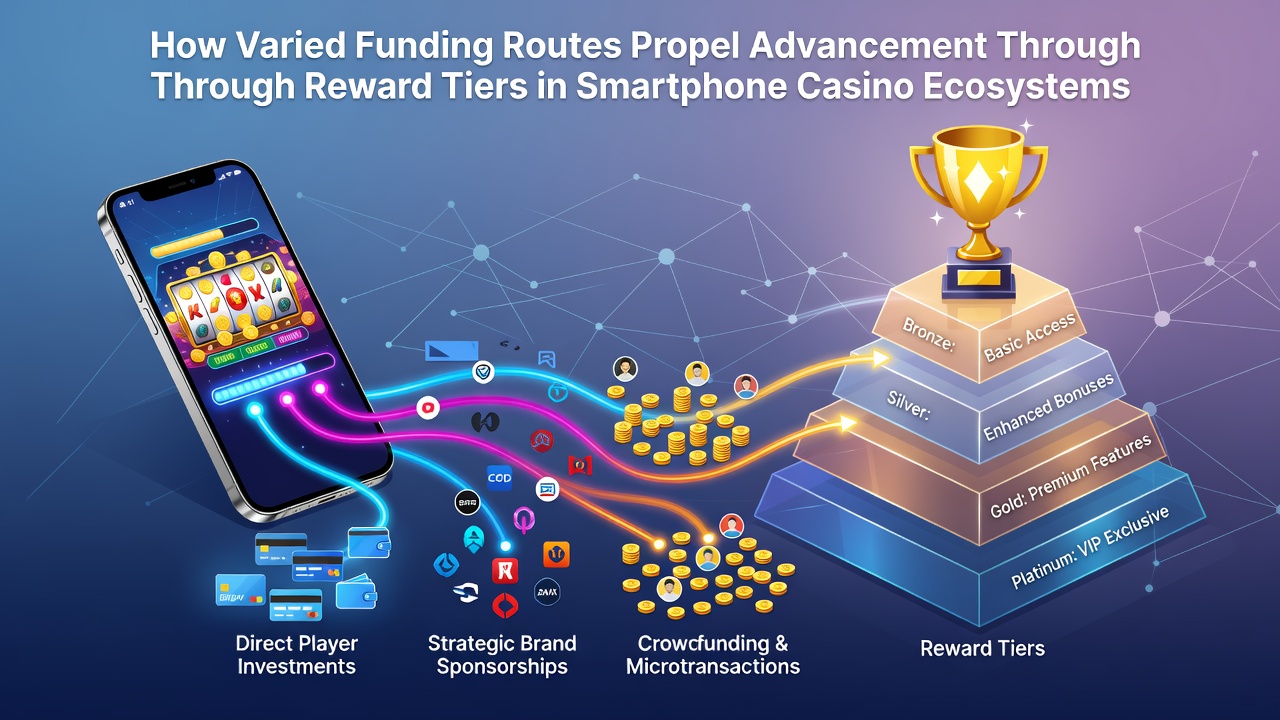
Smartphone casino platforms rely on varied funding routes to move players through structured reward tiers, where each level unlocks additional benefits such as enhanced bonuses, faster withdrawals, and exclusive game access. These systems track deposit frequency, volume, and payment type to determine advancement, with data from industry analyses showing that platforms integrating multiple methods see higher engagement rates across user bases.
Core Funding Routes and Their Role in Tier Systems
Bank transfers, credit cards, e-wallets, and cryptocurrency options each contribute differently to tier progression because they vary in speed, fees, and verification requirements. Credit card deposits often process instantly on mobile apps, allowing users to meet minimum thresholds for tier entry within a single session, whereas traditional bank transfers may require several days yet count toward cumulative volume metrics that push accounts into higher brackets over time.
E-wallets like those connected to established digital services reduce friction by storing verified details, which enables repeated transactions that accumulate points faster. Observers note that cryptocurrency routes appeal to users seeking privacy and lower fees, and several platforms now assign bonus multipliers specifically for crypto deposits that help accelerate movement from entry-level tiers to mid-tier status.
Smartphone-Specific Mechanics
Mobile ecosystems amplify these effects through app notifications and one-tap deposit features that remind users of upcoming tier milestones. Research from academic studies on digital gaming behaviors indicates that instant payment confirmations on smartphones correlate with increased session lengths, as players receive immediate feedback on how a deposit affects their current tier standing.
July 2026 saw several regional regulators outside the UK publish updated guidelines encouraging licensed operators to disclose payment method impacts on loyalty programs, which has prompted more transparent tracking dashboards within apps. Those dashboards display real-time progress bars tied directly to deposit sources, helping users plan funding strategies that align with advancement goals.
Comparative Impact Across Payment Types
Data from industry reports compiled by the American Gaming Association reveals that platforms offering four or more funding methods experience 25 percent higher tier upgrade rates compared to those limited to two options. The variation stems from user preferences, with some demographics favoring speed while others prioritize cost efficiency or regulatory compliance features built into certain transfer systems.
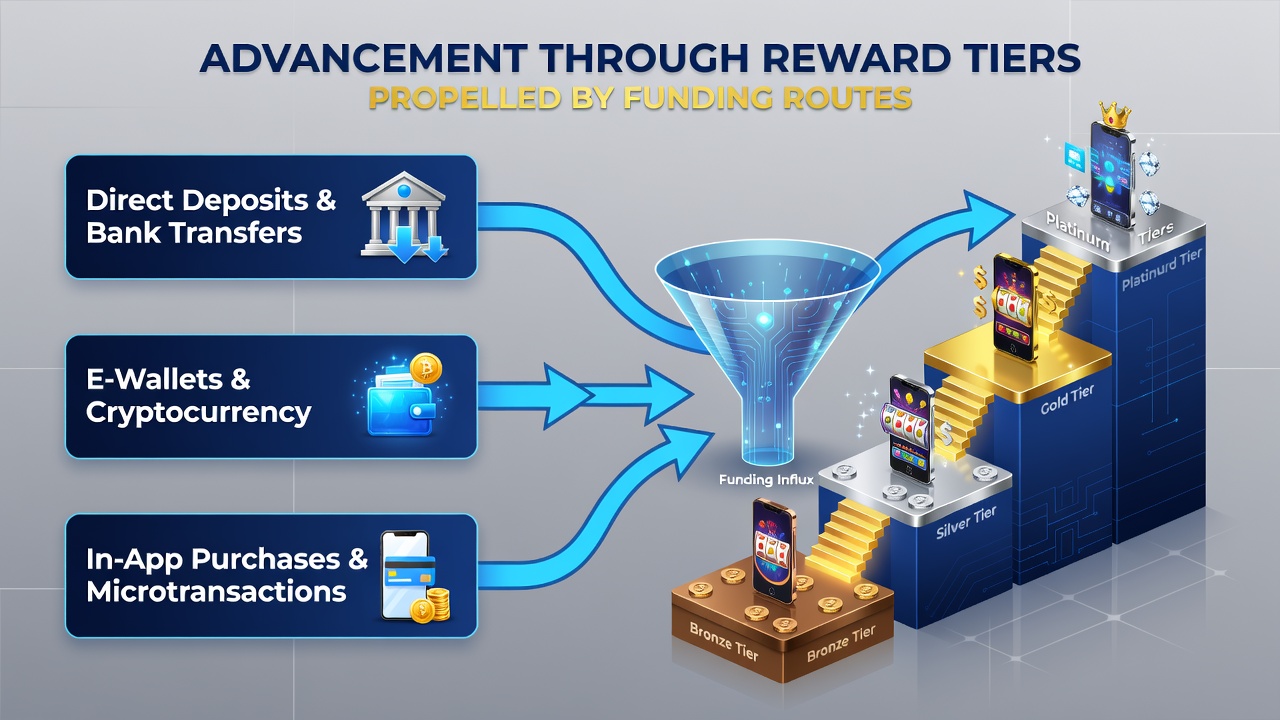
Take one operator that introduced crypto alongside existing card and wallet options, after which analysts recorded a measurable uptick in players reaching gold and platinum tiers within shorter timeframes. The added route reduced average deposit processing times and introduced promotional incentives that compounded existing loyalty points.
Regulatory and Industry Influences
Authorities in Canada and Australia have examined how payment diversity affects player retention within tiered programs, with reports from the Canadian Gaming Association highlighting that clear disclosure of method-specific bonuses supports responsible engagement. These findings encourage platforms to maintain balanced incentive structures rather than favoring single payment channels.
Academic papers on mobile commerce further demonstrate that seamless integration of funding sources reduces drop-off rates during the deposit process, which in turn supports consistent activity needed for tier maintenance. Operators responding to these patterns have expanded options while embedding verification layers that satisfy oversight requirements across jurisdictions.
Conclusion
Varied funding routes continue to shape reward tier dynamics in smartphone casino environments by matching user preferences with operational efficiencies that drive measurable progression. Industry data and regulatory reviews from multiple regions confirm that platforms adapting to diverse payment landscapes maintain stronger user advancement metrics, and ongoing developments through 2026 suggest further refinements in how these systems align deposits with tier benefits.