From Wallet to Wheel: The Journey of Funds Through Mobile Gaming Reward Systems
Written by Otto Günther · Jul 26, 2026
From Wallet to Wheel: The Journey of Funds Through Mobile Gaming Reward Systems
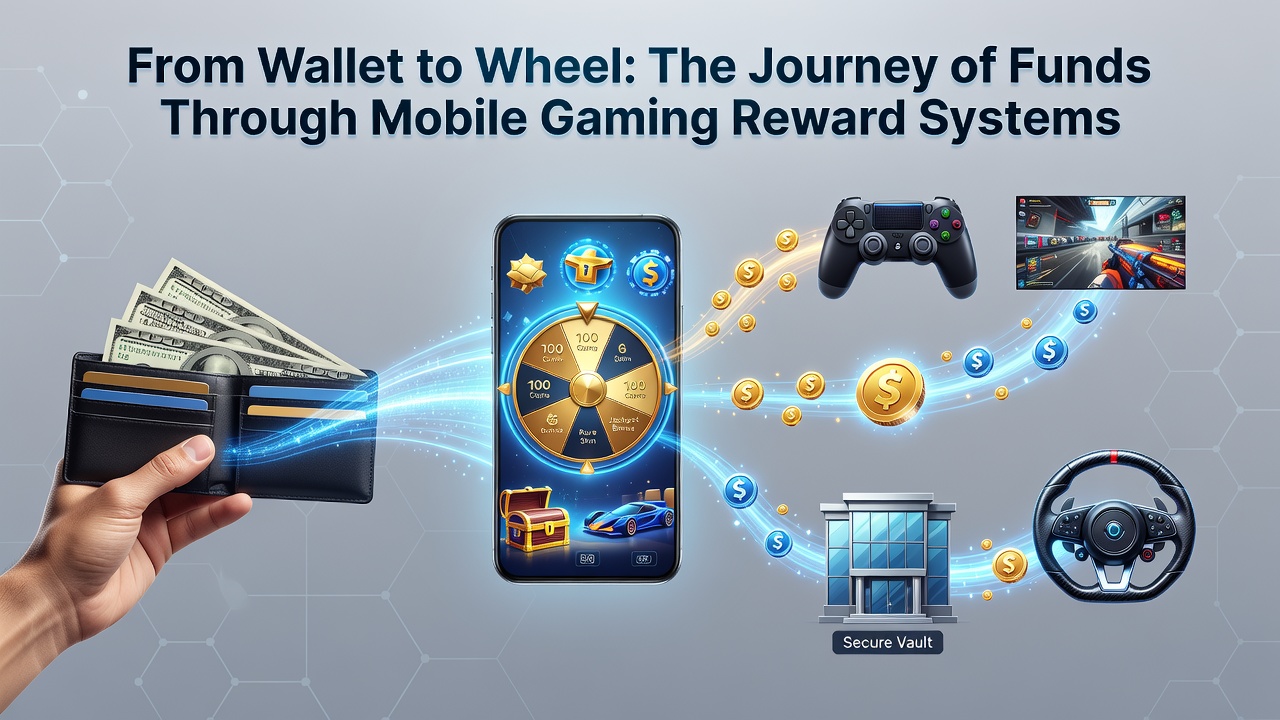
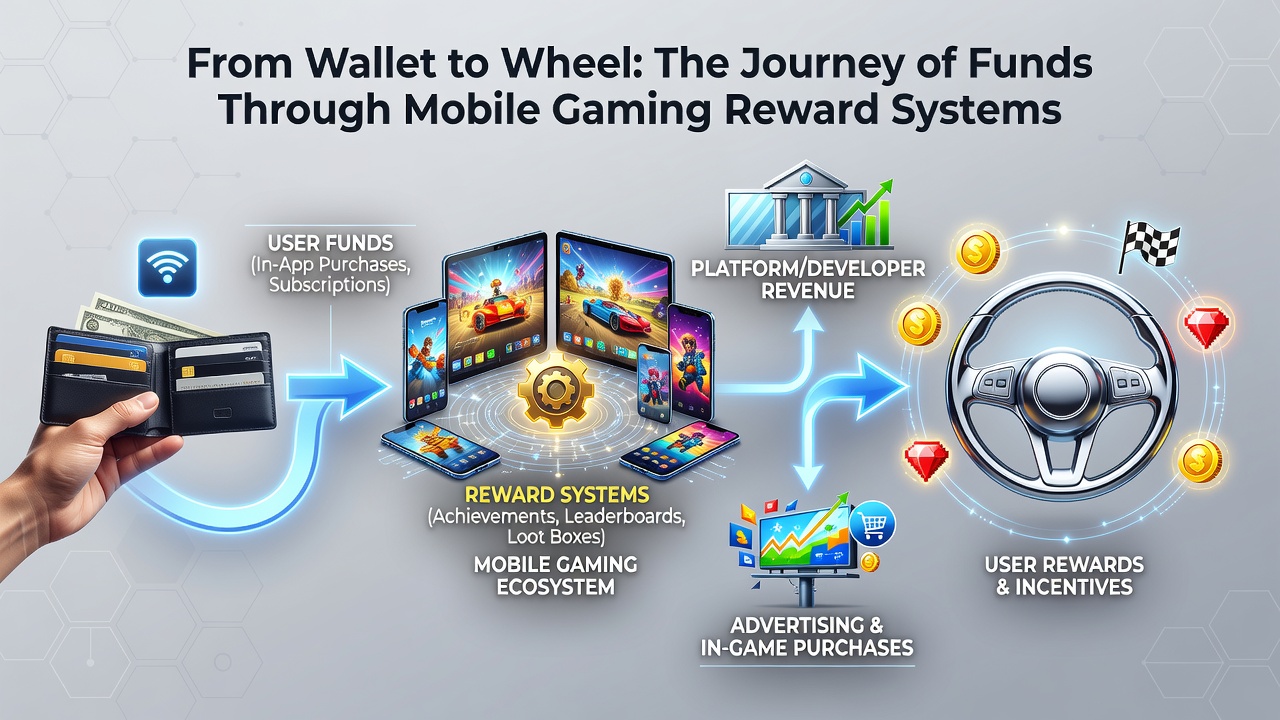
Funds enter mobile gaming platforms through digital payment gateways that connect directly to user bank accounts or digital wallets, and the path from initial deposit to in-game rewards follows structured protocols established by developers and payment processors alike. Data from industry reports indicate that over 70 percent of mobile gaming transactions in North America occur via credit cards or e-wallets, while regions such as Asia Pacific show higher adoption of local mobile payment systems that integrate with carrier billing. These entry points trigger immediate verification steps that confirm user identity before any funds reach the reward allocation engines.
Deposit Mechanisms and Initial Fund Routing
Payment processors handle the first leg of the journey by routing deposits through secure channels that comply with regional financial regulations, and this process often includes real-time currency conversion when users operate across borders. Once funds clear, platforms categorize them into primary balances that feed both direct gameplay and layered reward structures. Observers note that many systems employ automated scripts to segment portions of each deposit into promotional pools, which then become available as bonus credits or loyalty multipliers. Research conducted by academic institutions in Canada reveals that these segmentation rules vary by operator size, with larger platforms allocating up to 15 percent of incoming funds toward reward reserves during peak activity periods in mid-2026.
Reward Allocation and Point Conversion Systems
After deposits settle, algorithms distribute funds across multiple reward tiers that convert monetary value into points, spins, or virtual items, and these conversions follow predefined ratios documented in each platform's terms. Users accumulate points through consistent play sessions, while bonus funds generated from initial deposits unlock additional tiers once certain thresholds are met. Studies from European research centers highlight that conversion rates typically range between 1:100 and 1:500 depending on game category, which means one dollar deposited might yield between one hundred and five hundred reward units. This allocation feeds live leaderboards and seasonal events that further circulate value within the ecosystem.
Redemption Pathways and Withdrawal Protocols
Redeemed rewards follow reverse pathways that convert points back into withdrawable cash or digital assets, and these steps require additional compliance checks such as identity re-verification and anti-money laundering reviews. Platforms process withdrawal requests through the same gateways used for deposits, yet processing times differ based on payment method and user verification level. Data collected by Australian regulatory bodies show average redemption cycles lasting between 24 and 72 hours for verified accounts, while unverified profiles encounter extended review periods that can stretch into several business days. Funds that remain unclaimed often return to operator reserve pools that support future promotions.
Tracking and Transparency Tools
Modern platforms provide users with detailed transaction histories that trace every fund movement from deposit through reward conversion to final payout, and these logs help maintain accountability across the entire cycle. Independent auditors periodically review these records to confirm adherence to established financial standards. Those who've examined platform dashboards report that real-time balance updates appear within seconds of each transaction, while aggregated reports delivered monthly summarize total rewards earned and redeemed. Such transparency measures gained wider adoption following updates implemented across multiple jurisdictions by July 2026.
Cross-Border Considerations in Fund Flows
International users encounter additional layers during fund transfers because currency fluctuations and local tax obligations affect net amounts reaching reward systems. Operators apply dynamic exchange rates at the point of deposit, and these rates influence how much value enters the reward ecosystem. Reports issued by gaming associations in Asia document that cross-border transactions account for roughly 30 percent of mobile reward activity, with peaks occurring during global events that draw players from multiple regions. Regulatory frameworks in those areas require operators to maintain segregated accounts that protect user funds throughout the journey.
Conclusion
The complete cycle from initial wallet deposit through reward allocation and eventual cashout forms a closed loop that mobile gaming platforms manage with increasing precision. Payment processors, algorithmic reward engines, and withdrawal gateways each play defined roles that keep funds circulating efficiently. Continued evolution in payment technology and regulatory alignment across regions shapes how these systems operate, while data collection efforts provide ongoing insight into transaction volumes and redemption patterns.