Exploring Ties Between Loyalty Structures and Game Variety on Mobile Platforms
Written by Alex Washington · Jun 12, 2026
Exploring Ties Between Loyalty Structures and Game Variety on Mobile Platforms
Handheld platforms have transformed how players interact with multiple game types while loyalty programs track participation across categories such as slots, table games, and live dealer formats. Data from industry reports shows that mobile devices account for over 60 percent of all gaming sessions in regulated markets by mid-2026, which creates opportunities for operators to link reward structures directly to diverse gameplay patterns. Researchers at institutions like the University of Nevada Reno have examined these connections through player behavior analytics, noting that points accumulation rates often differ based on game volatility and session length.
Defining Loyalty Structures in Mobile Contexts
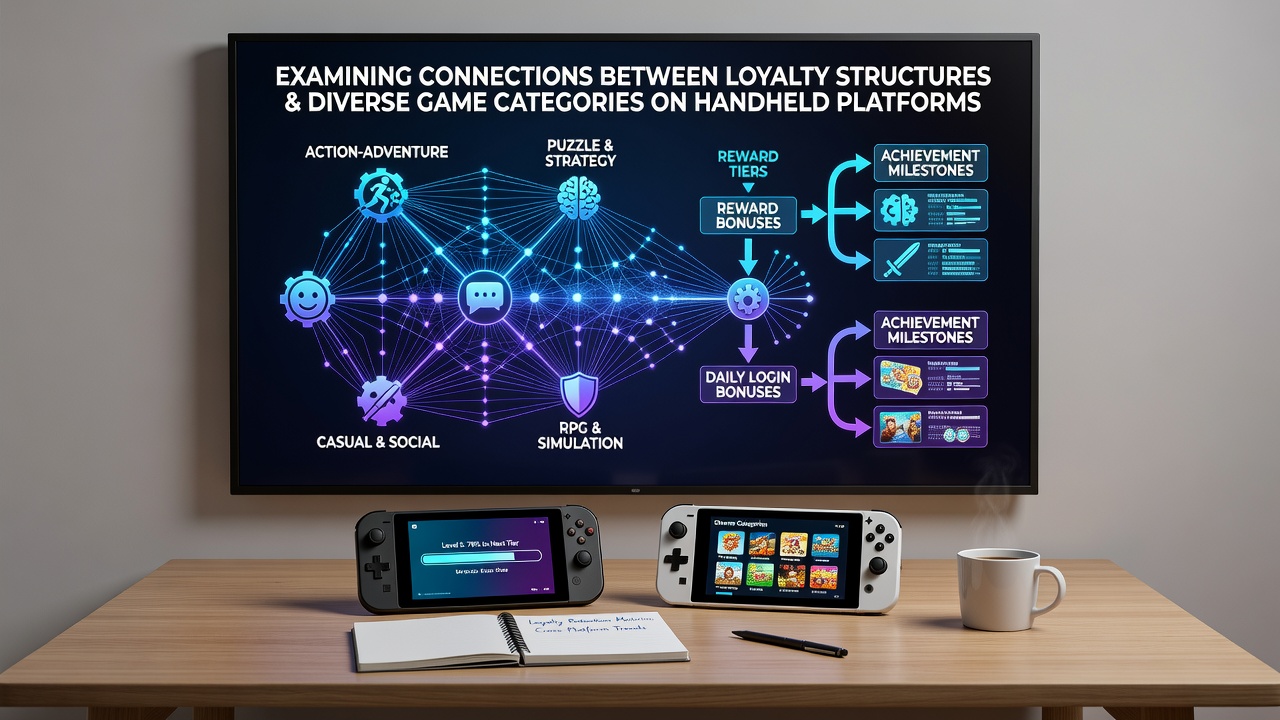
Loyalty frameworks typically operate through tiered systems where players earn points or credits proportional to wager amounts and game selection, and these systems integrate seamlessly with handheld interfaces that allow real-time tracking. According to findings from the Canadian Gaming Association, mobile users who engage with at least three distinct game categories per month demonstrate 35 percent higher retention rates compared to those focused on single types, because the platforms adjust reward multipliers dynamically based on category diversity. This setup encourages exploration while maintaining consistent progression toward higher tiers that unlock exclusive bonuses.
Game Categories and Their Influence on Reward Accumulation
Slots represent the most common entry point on handheld devices due to quick spin mechanics and visual appeal, yet loyalty programs often assign lower point values per bet in these games to balance overall economics. In contrast, table games and live dealer options frequently carry higher multipliers because sessions tend to last longer and involve strategic decisions, which data from the American Gaming Association indicates leads to elevated engagement metrics. Players who shift between slots for rapid play and poker variants for skill elements often see accelerated tier advancement, since algorithms factor in both volume and variety when calculating rewards.
Live dealer categories add another layer because real-time interaction on mobile requires stable connections, and loyalty structures sometimes include connectivity bonuses that reward consistent participation across time zones. Studies released in early 2026 highlight how these integrations help platforms maintain balanced ecosystems where no single game type dominates point distribution.
Patterns Observed in June 2026 Data Sets
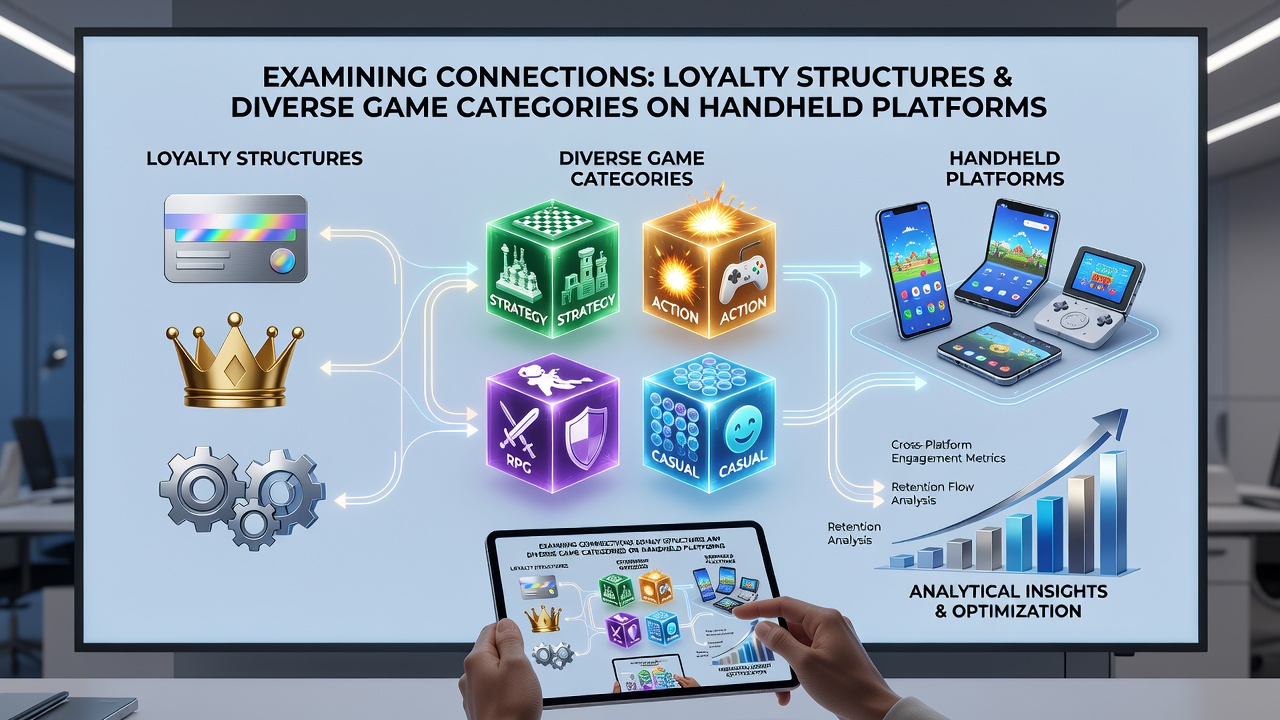
Analysis of usage statistics collected through June 2026 reveals that handheld platforms experience peak activity during evening hours, with loyalty redemptions spiking after players complete sessions involving mixed game categories. Observers note that users accessing both high-volatility slots and lower-stakes table games within the same week qualify for additional multipliers more frequently than those adhering to one format. This pattern emerges because algorithms prioritize cross-category activity to distribute risk and sustain long-term platform health.
Handheld-specific features like push notifications and in-app progress bars further strengthen these connections by reminding players of upcoming rewards tied to unexplored game types. Evidence from regulatory filings in multiple jurisdictions shows operators adjusting loyalty parameters quarterly to reflect shifts in mobile hardware capabilities and player preferences documented through aggregated session logs.
Technical Integration on Portable Devices
Mobile operating systems support advanced tracking through APIs that feed directly into loyalty databases, allowing seamless updates whether a player switches from video slots to live roulette mid-session. Those who've reviewed platform architectures understand that cloud-based synchronization ensures points remain accurate across devices, reducing friction that might otherwise discourage category exploration. Reports compiled by the Gaming Technologies Association in Australia detail how such integrations have led to measurable increases in session diversity, with average users sampling 2.8 game categories monthly by June 2026.
Security protocols embedded in these systems protect transaction histories while enabling operators to offer personalized incentives based on historical category engagement, creating feedback loops that refine reward structures over time without manual intervention.
Conclusion
Connections between loyalty structures and game categories on handheld platforms continue to evolve as data collection methods improve and mobile technology advances. Patterns identified through June 2026 underscore the role of cross-category participation in sustaining engagement metrics across regulated environments, with technical frameworks ensuring these systems operate efficiently for diverse player bases worldwide.