Charting Integrated Reward Systems Across Gaming Platforms
Written by Otto Günther · Jul 29, 2026
Charting Integrated Reward Systems Across Gaming Platforms
Observers note that reward pathway mapping has emerged as a central focus for gaming operators seeking to align table game participation with mobile transaction efficiencies and structured loyalty frameworks, and data from industry analyses in July 2026 highlight measurable shifts in how these elements combine to influence player engagement patterns across multiple jurisdictions.
Defining Core Components of Reward Pathways
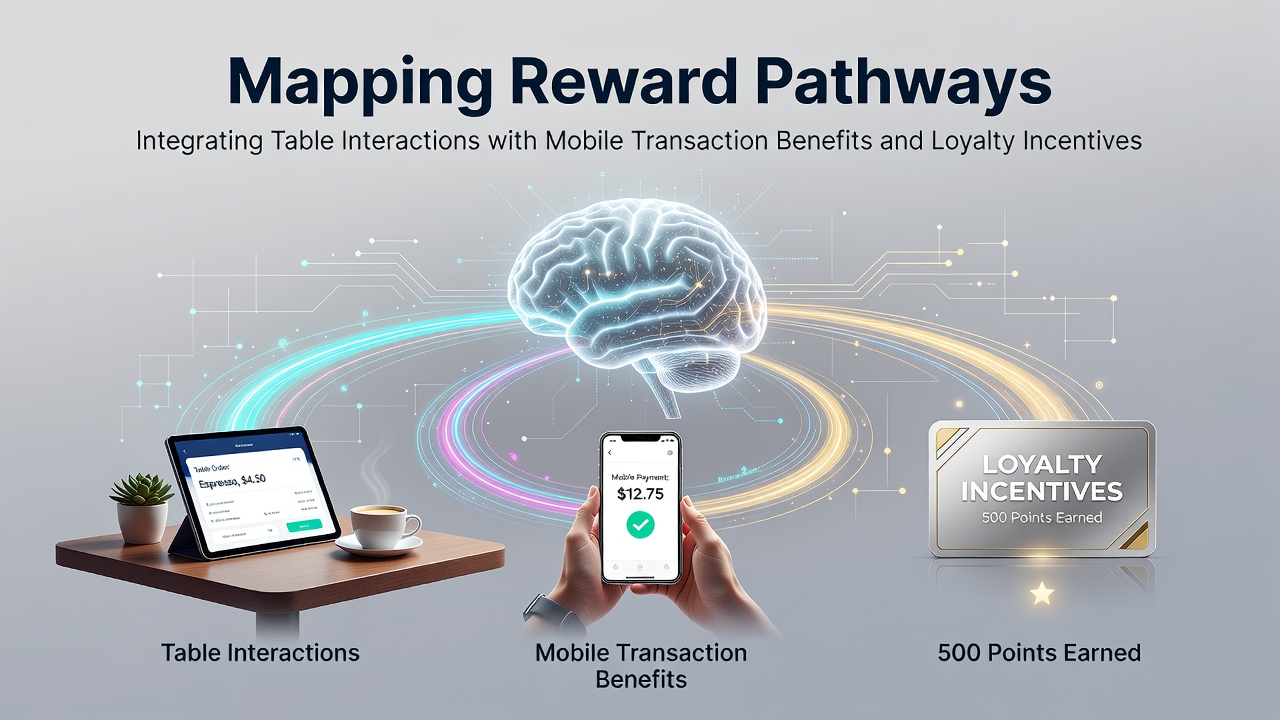
Table interactions encompass direct gameplay at physical or virtual tables where participants engage in games such as blackjack, roulette, and poker variants, while mobile transaction benefits cover seamless deposit and withdrawal processes executed through smartphone applications that reduce processing times and incorporate fee structures tied to account activity. Loyalty incentives operate through point accumulation systems that convert play volume into redeemable rewards, and researchers have documented how these three areas form interconnected sequences when operators implement unified tracking protocols.
Studies conducted by academic institutions reveal that players who combine table sessions with mobile-enabled transfers often accumulate points at accelerated rates compared to those using traditional methods, because transaction data feeds directly into centralized databases that calculate eligibility for tiered benefits. According to reports from the American Gaming Association, platforms employing real-time integration report higher retention metrics when table results trigger immediate mobile notifications about bonus eligibility.
Table Game Dynamics and Data Capture
Table environments generate rich datasets through bet sizing, session duration, and outcome tracking, and these inputs become foundational for reward calculations when linked to player accounts via digital identifiers. Gaming operators have implemented RFID chips and camera systems that record actions at the table, feeding information into backend systems that update loyalty balances within seconds of each hand or spin.
One analysis of platform usage patterns showed that table players who complete mobile deposits during active sessions receive enhanced point multipliers, creating a feedback loop where transaction speed influences incentive value. Data indicates that such integrations reduce friction between gameplay phases and reward redemption, allowing participants to access benefits without leaving the table interface.
Mobile Transaction Advantages in Loyalty Contexts
Mobile applications facilitate instant verification of funds and automated reconciliation with loyalty ledgers, and this capability proves especially relevant when operators introduce time-sensitive promotions that activate upon deposit confirmation. Figures from regulatory filings in multiple regions demonstrate that transaction volumes through mobile channels increased notably between 2024 and 2026, correlating with expanded loyalty program participation.
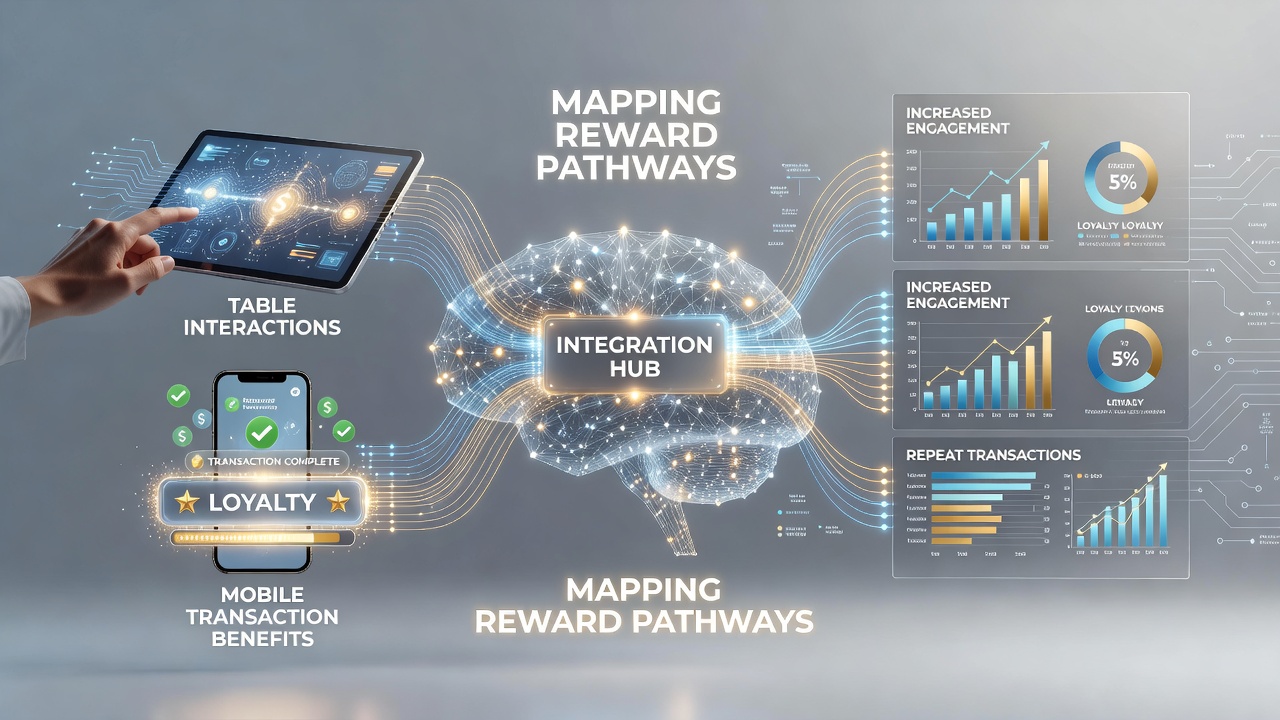
Payment processors partnered with gaming sites now embed loyalty identifiers into transaction metadata, which enables automatic crediting of rewards based on both deposit size and concurrent table activity. Those who have examined transaction logs note that players utilizing these combined features complete more frequent sessions because the perceived value of each interaction rises through layered incentives.
Integration Mechanisms and Operational Examples
Operators achieve integration by deploying application programming interfaces that synchronize table management software with mobile wallets and loyalty engines, and this technical alignment supports conditional rewards such as bonus credits triggered only when a player both completes a table hand and executes a mobile transfer within a defined window. Industry organizations including the Canadian Gaming Association have published guidelines on data security practices that accompany such linkages, emphasizing encryption standards to protect combined datasets.
Case documentation from European platforms illustrates scenarios where table tournament results automatically populate mobile dashboards with projected loyalty milestones, encouraging continued participation through visual progress indicators. Research indicates these visual cues correlate with extended play periods when mobile access remains uninterrupted.
Regulatory and Technological Considerations
Authorities in various regions require transparent reporting of how reward pathways calculate and distribute benefits, and compliance frameworks established through 2026 emphasize audit trails that trace every table action, mobile transaction, and point award back to source events. Technological advancements in cloud computing have enabled operators to scale these systems across jurisdictions while maintaining localized regulatory adherence.
University-led examinations of player behavior datasets confirm that integrated systems produce clearer mappings of value exchange, allowing operators to adjust incentive structures based on empirical participation rates rather than assumptions. External reports from research bodies in Australia further detail how cross-channel tracking influences overall program economics without compromising individual account privacy controls.
Conclusion
Mapping reward pathways through combined table interactions, mobile transaction benefits, and loyalty incentives continues to evolve as operators refine data linkages and regulatory environments adapt to new reporting standards. Evidence from multiple sources shows that these integrations create measurable efficiencies in player tracking and benefit distribution, with ongoing developments expected to shape platform design through subsequent reporting periods.