Analyzing Interactions Between Payment Options and Loyalty Tiers in Multiple Gaming Formats
Written by Otto Günther · Jun 24, 2026
Analyzing Interactions Between Payment Options and Loyalty Tiers in Multiple Gaming Formats
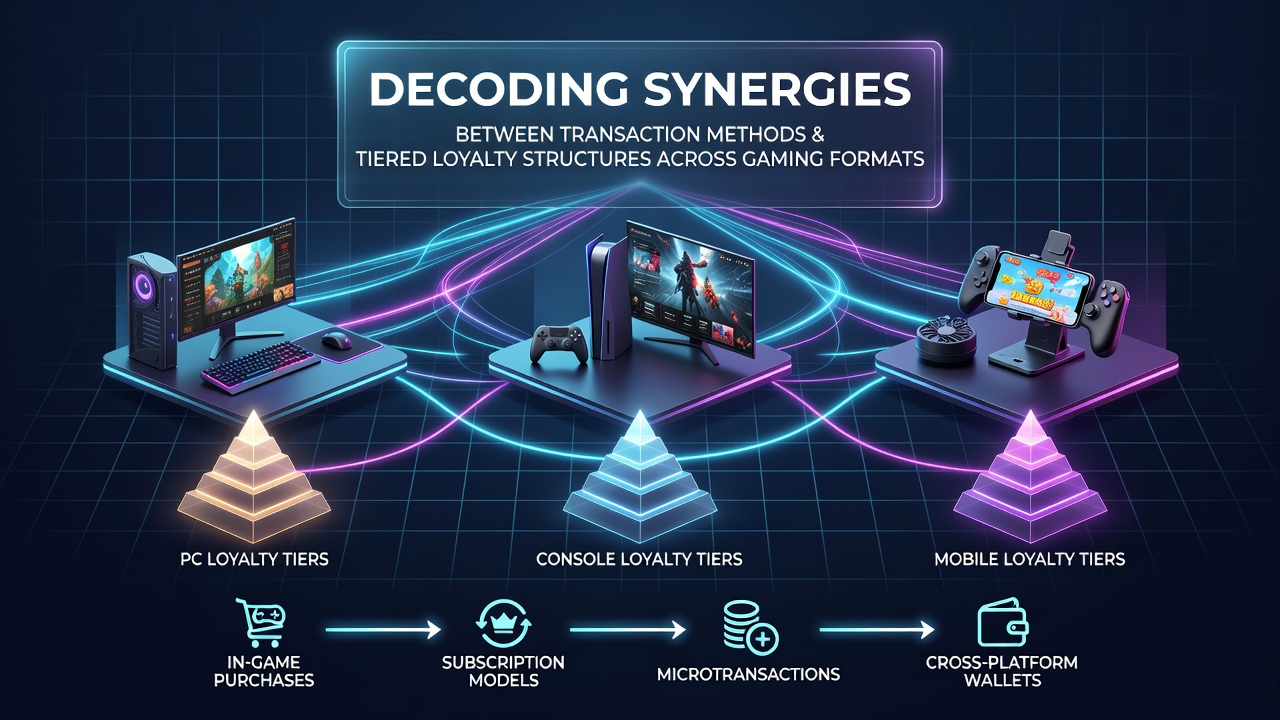
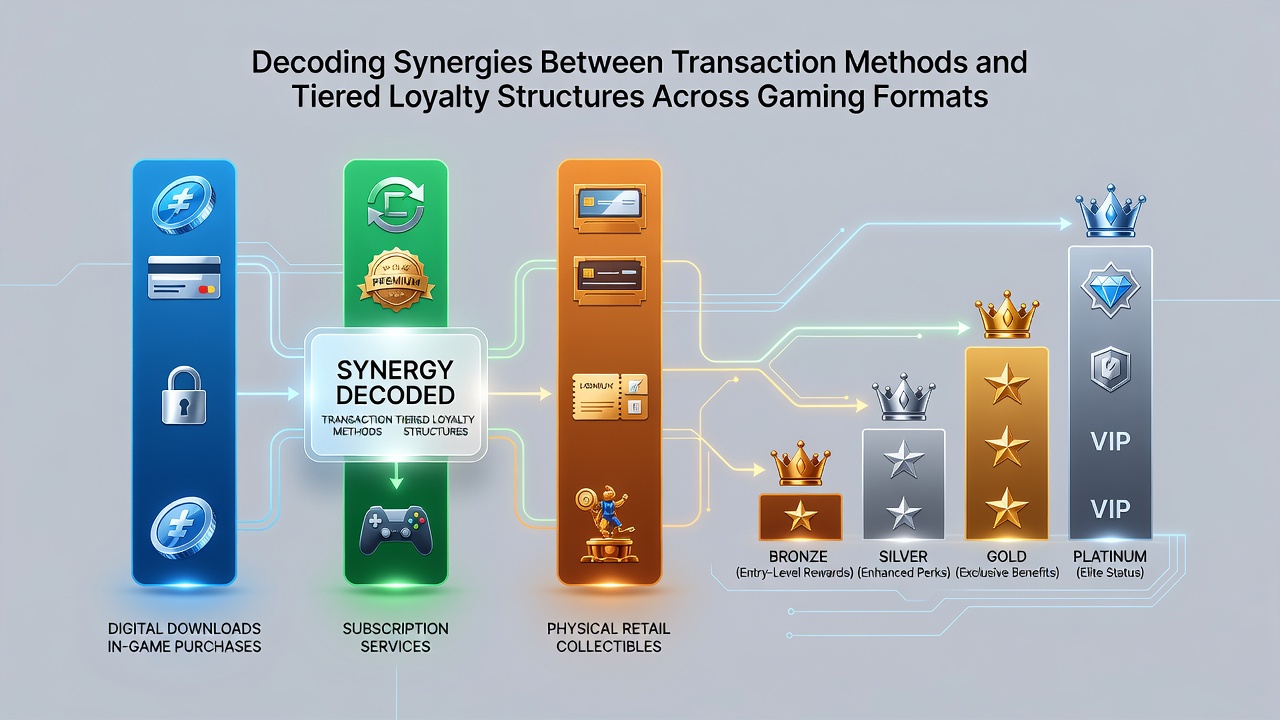
Transaction methods and tiered loyalty structures intersect across gaming formats in ways that shape how players engage with slots, table games, and mobile platforms; operators design these systems so that deposit speed and payment type directly influence reward accumulation rates while different formats apply unique multipliers to the same underlying transaction data. Research from industry reports shows that instant payment options often accelerate tier advancement because systems credit activity in real time, whereas slower methods create delays that affect point balances across an entire month.
Payment Methods and Their Role in Reward Calculation
Modern gaming environments track deposits, withdrawals, and in-game purchases through various channels including bank transfers, digital wallets, and card networks; each method carries distinct processing times that feed into loyalty engines designed to assign points based on transaction velocity and volume. Observers note that platforms using automated reconciliation tools credit loyalty points within minutes for certain payment types, which allows players to climb tiers faster when they choose those options consistently.
Data from multiple operators indicates that e-wallet transactions trigger higher multiplier bonuses in loyalty algorithms because the reduced settlement risk lets systems allocate rewards immediately; in contrast, traditional bank wires require manual verification steps that postpone point posting until funds clear. Those who've studied these mechanics across regions report that the difference in processing windows can shift a player's monthly tier status by one full level when activity volumes remain steady.
Tiered Structures Across Slots, Live Tables, and Mobile Play
Slots environments typically apply straightforward point multipliers to every spin funded by qualifying deposits, yet live dealer formats layer additional variables such as session duration and table stakes onto the same transaction records; mobile platforms combine both approaches by tracking micro-transactions that accumulate across shorter play sessions. Analysts have documented cases where operators unify these calculations under a single loyalty dashboard so that a deposit made on mobile slots contributes to the same tier progress tracked during live table sessions later the same day.
Studies released in June 2026 by international gaming associations reveal that cross-format tracking increases retention metrics when players move between device types without losing accumulated status; the same reports highlight that tier benefits like cashback percentages and exclusive event access activate only after the unified system confirms activity across all linked formats. One research paper from a North American university examined three major platforms and found that players who alternated between slots and live tables reached higher tiers 18 percent faster than those who remained in a single format, largely because payment incentives stacked across categories.
Regional Examples and System Integration Patterns
European operators outside the United Kingdom have implemented loyalty frameworks that tie crypto deposits to accelerated tier movement in mobile-first environments, while North American jurisdictions apply similar logic to sports wagering deposits that feed into casino loyalty accounts. The American Gaming Association published findings showing that integrated payment and loyalty systems in several states produced measurable increases in cross-format play during the first half of 2026.
Canadian provincial regulators have examined comparable setups where instant bank transfers unlock bonus point multipliers that apply equally to slots and live dealer rooms; those analyses emphasize that the technical linkage between payment rails and loyalty databases determines how quickly rewards become visible to players. A separate report from an Australian research institute documented that operators who synchronized withdrawal processing with tier reset cycles experienced fewer complaints about delayed benefit activation.
Technical Mechanisms Driving the Connections
Loyalty engines pull transaction metadata including amount, method, and timestamp to assign base points before applying format-specific multipliers; when a payment clears instantly, the engine can push the updated tier status to all connected gaming clients within the same session. Developers build these connections through APIs that standardize data fields across slots, tables, and mobile interfaces so that a single deposit event updates multiple reward ledgers simultaneously.
Experts have observed that platforms using real-time payment rails reduce the lag between deposit and reward visibility, which in turn encourages continued play across formats before the next tier evaluation period begins. Figures from aggregated operator data show that players receiving immediate tier updates after an instant deposit maintain higher session counts than those waiting for manual processing.
Conclusion
The interplay between transaction methods and tiered loyalty structures operates through shared data pipelines that reward speed and consistency across slots, live tables, and mobile formats; operators continue to refine these linkages as new payment technologies emerge. Reports issued in June 2026 and earlier confirm that unified tracking produces measurable shifts in player behavior without requiring separate loyalty programs for each gaming type. Those monitoring the sector note that the technical architecture supporting these synergies determines how effectively rewards flow from payment activity into tier advancement across every format.